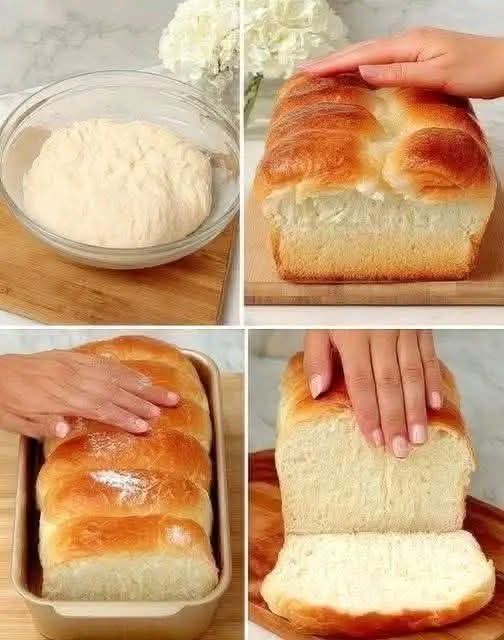
Here is a comprehensive guide to making classic Amish White Bread, covering everything from its history to its place at your dinner table.
The Big Recipe: Classic Amish White Bread
Introduction
Amish White Bread is the definition of simple comfort. Known for its soft, fluffy texture and a hint of sweetness, this bread is a staple in Amish country and has become beloved worldwide for its reliability . Unlike chewy artisan loaves, this bread yields a tender crumb that is perfect for sandwiches, toast, or eating warm with a pat of butter. It is a forgiving, beginner-friendly recipe that fills your kitchen with the nostalgic aroma of home-baked goodness .
History
The Amish community, known for its simple living, plain dress, and reluctance to adopt modern technology, has a deep tradition of from-scratch baking . While commercially produced bread became the norm for many, the Amish continued making their own daily loaves. This particular “white bread” recipe emerged as a household standard because it uses shelf-stable ingredients (sugar, oil, flour, yeast) and produces a consistent, crowd-pleasing result. It reflects the Amish values of practicality, frugality, and hospitality—serving a fresh loaf to guests is a sign of welcome .
Benefits
1. Therapeutic Process: Kneading and watching dough rise is a proven stress reliever and a great way to unplug .
2. Budget-Friendly: The ingredients are pantry staples that cost significantly less than store-bought artisan bread .
3. No Preservatives: You control the ingredients, avoiding the high fructose corn syrup and preservatives found in many commercial sandwich breads.
4. Versatility: It is mild enough for peanut butter and jelly yet sturdy enough for a deli sandwich or garlic toast.
Lovers (Who enjoys it)
This bread is universally loved by children for its sweetness, parents for its affordability, and small business owners who sell it at farmers’ markets due to its high demand . Beginner bakers love it because it rarely fails, while busy professionals appreciate the therapeutic baking process after a long day .
Formation (The Science)
Making this bread involves a chemical reaction called fermentation.
· Proofing: Yeast eats the sugar, releasing carbon dioxide gas and ethanol.
· Gluten Development: When you knead the flour and water, proteins form gluten strands. This creates a network that traps the gas released by the yeast, causing the dough to inflate like a balloon .
· Oven Spring: The intense heat of the oven causes the trapped gases to expand rapidly (the “final rise”) before the structure sets into a soft crumb.
Ingredients (Makes 2 Loaves)
· 2 cups warm water (110°F/45°C)
· ⅔ cup white sugar
· 1 ½ tablespoons active dry yeast (about 2 standard packets)
· 1 ½ teaspoons salt
· ¼ cup vegetable oil (canola or sunflower work well)
· 6 cups bread flour (all-purpose works, but bread flour yields a better chew)
Tools
· Large mixing bowl
· Damp cloth or plastic wrap
· 2 greased 9×5 inch loaf pans
Instructions & Methods
1. Proof the Yeast
· In a large bowl, dissolve the sugar in the warm water. Sprinkle the yeast on top.
· Method: Let it sit for 5-10 minutes until it becomes foamy and creamy. This “blooming” ensures your yeast is alive .
2. Make the Dough
· Stir the salt and vegetable oil into the yeast mixture.
· Gradually add the flour, one cup at a time, mixing until a shaggy dough forms.
3. Knead
· Turn the dough onto a lightly floured surface.
· Method: Knead for 6-8 minutes. Push the dough away with your palm, fold it back, and turn it. You are aiming for a smooth, elastic ball that springs back when poked.
4. First Rise
· Place the dough in a well-oiled bowl, turning once to coat the surface (prevents drying).
· Cover with a damp cloth.
· Method: Let rise in a warm, draft-free spot for about 1 hour, or until doubled in size .
5. Punch Down & Shape
· Punch the dough down to release the gas.
· Turn out onto a floured surface and knead for 1 minute.
· Method: Divide the dough in half. Roll each half into a rectangle, then roll it up tightly like a jelly roll. Pinch the seams closed and tuck the ends under.
6. Second Rise (Pan Rise)
· Place the shaped loaves into the greased 9×5 inch pans.
· Cover and let rise for 30 minutes. The dough should rise about 1 inch above the rim of the pans .
7. Bake
· Preheat oven to 350°F (175°C).
· Method: Bake for 30 minutes. The bread is done when the top is golden brown and the loaf sounds hollow when tapped.
· Immediately remove from pans and let cool on a wire rack so the bottoms don’t get soggy .
Nutrition (Approximate per slice, 1/18th of recipe)
Values based on standard ingredients
Nutrient Amount
Calories 140-170 kcal
Carbohydrates 28-33 g
Protein 4-5 g
Fat 2-4 g
Fiber 1 g
Sugar 5-6 g
(Note: Homemade bread contains no cholesterol or trans fats found in some processed breads)
Conclusion
Amish White Bread is more than a recipe; it is a return to slow food. With only 6 ingredients and a little patience, you can produce two soft, golden loaves that taste infinitely better than anything from a plastic bag. Whether you are a novice baker or a seasoned pro, this “big recipe” is a keeper for life.
Lovers (Reiteration)
You will find lovers of this bread at every breakfast table—from toddlers enjoying cinnamon toast to grandparents dunking it into soup. Campers love it for its durability, and minimalists love that it requires no fancy equipment. Once you bake this, your family will officially join the legions of Amish White Bread lovers .