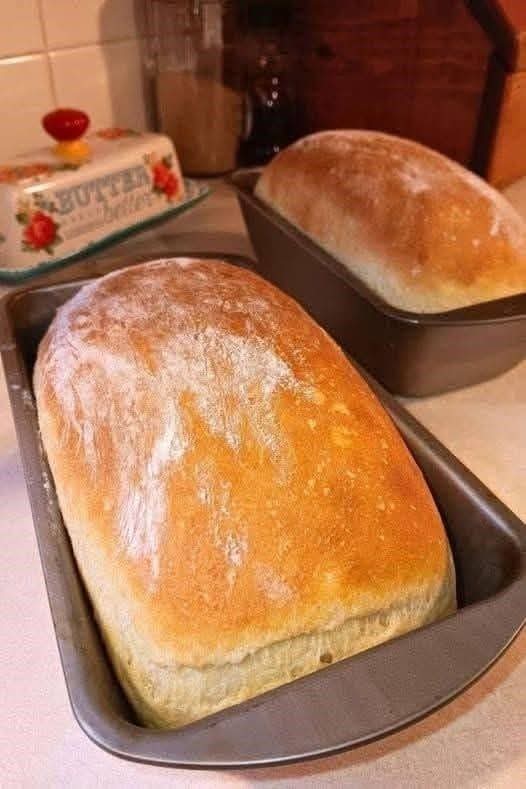
Here is a complete, in-depth guide to Sourdough Sandwich Bread — a soft, fluffy, and mildly tangy loaf designed for everyday sandwiches, toast, and more. Unlike crusty artisan sourdough, this version includes a small amount of oil and sugar (or honey) to create a tender crumb and golden crust.
Introduction
Sourdough is the oldest form of leavened bread, dating back to ancient Egypt around 1500 BC. For centuries, bakers relied on wild yeasts and bacteria to raise dough. Today, sourdough is prized for its complex flavor, digestibility, and natural preservation. This sandwich-style sourdough adapts traditional sourdough to a modern, soft loaf that slices cleanly — perfect for school lunches, deli sandwiches, and morning toast.
History
Sourdough likely originated in the Fertile Crescent. Egyptian bakers discovered that a fermented mixture of flour and water could leaven bread. The technique spread to Greece, Rome, and eventually to San Francisco during the Gold Rush (1848–1855), where it became iconic. In Alaska and the Yukon, miners carried sourdough starters as a precious resource. The “sandwich loaf” as we know it became popular in the 19th century with the invention of the bread-slicing machine (1928) and the rise of the lunch sandwich in American culture. Combining sourdough with a soft, pan-friendly shape is a modern twist that honors both traditions.
Benefits of Sourdough Sandwich Bread
1. Digestibility – Long fermentation breaks down gluten and phytic acid, making nutrients more absorbable.
2. Lower Glycemic Index – Organic acids slow starch digestion, reducing blood sugar spikes.
3. Probiotic-like effects – Lactic acid bacteria support gut health (though baking kills live cultures, their metabolites remain).
4. Natural preservation – Acetic acid slows mold growth without artificial preservatives.
5. Rich in B vitamins, iron, and selenium – Especially if made with whole grain flour blends.
6. Versatile and kid-friendly – Soft texture appeals to picky eaters who dislike crusty artisan loaves.
Nutrition (per slice, ~50g)
Nutrient Amount
Calories ~130
Protein 4g
Carbohydrates 24g
Fiber 1.5g
Fat 2g
Iron 6% DV
Folate 8% DV
Values vary with flour type and inclusions (seeds, whole wheat).
Ingredients
For the Levain (pre-ferment)
· 50g active sourdough starter (100% hydration)
· 100g bread flour
· 100g water (room temperature)
For the Dough
· All the levain (250g total)
· 400g bread flour (or 350g bread + 50g whole wheat)
· 200g warm water (90°F / 32°C)
· 50g milk (whole or plant-based) – adds softness
· 40g granulated sugar or honey
· 40g unsalted butter (softened) or neutral oil
· 10g fine sea salt
Optional: 1 tbsp milk for brushing top before baking
Methods & Formation (Step-by-Step)
Day 1 – Prepare Levain (Morning)
1. Mix starter, flour, and water in a jar. Cover loosely.
2. Let sit at 75°F (24°C) for 4–6 hours until bubbly and doubled.
Day 1 – Make Dough (Afternoon)
Method: Stand mixer or hand knead
1. Autolyse – Combine levain, water, milk, flour. Mix until shaggy. Rest 30 min.
2. Mixing – Add sugar and salt. Mix on low speed (or by hand) until dough forms.
3. Add fat – Gradually add softened butter (or oil) in 3 additions, mixing until fully absorbed. Dough will become smooth and elastic (10–15 min mixer, 20–25 min hand).
4. Bulk fermentation – Transfer to oiled bowl. Cover. Rest 30 min. Perform 4 sets of stretch-and-folds every 30 minutes. Then let rise until +50% in volume (total 4–5 hours at 75°F).
Day 1 – Shaping & Cold Proof
1. Pre-shape – On lightly floured surface, gently shape into a log. Rest 20 min.
2. Final shape – Flatten into a 9×12” rectangle, roll tightly into a log. Pinch seam.
3. Pan – Place seam-side down in a greased 9×5” loaf pan.
4. Cold proof – Cover pan with plastic wrap. Refrigerate 12–24 hours. This develops flavor.
Day 2 – Bake
1. Preheat oven – To 400°F (200°C) with rack in middle.
2. Bring loaf to temp – Remove from fridge. Let sit at room temp 1 hour (or until indentation slowly springs back).
3. Score – Lightly brush with milk or water. Make one shallow slash down the center.
4. Bake – 35–40 minutes. If browning too fast, tent with foil after 20 min.
5. Cool – Internal temp should reach 205–210°F. Remove from pan. Cool completely on wire rack (2 hours!) before slicing.
Lovers of This Bread
· Home bakers who want sourdough without a rock-hard crust.
· Parents making school-safe sandwiches (not too crumbly or sour).
· Café owners seeking a dependable, preservative-free loaf.
· New sourdough bakers – This dough is forgiving and enriched, reducing failure risk.
· Toast enthusiasts – Slices hold butter and jam beautifully.
Conclusion
Sourdough Sandwich Bread bridges ancient fermentation and modern convenience. It delivers the health benefits of sourdough in a soft, family-friendly format. With a simple overnight cold proof and basic pantry ingredients, you can create a loaf that rivals any brioche-style sandwich bread — without commercial yeast. Whether you’re a seasoned baker or a curious beginner, this recipe rewards you with a loaf that’s nourishing, delicious, and endlessly adaptable (try adding seeds, cheese, or herbs). Your sandwiches will never be the same.
Enjoy baking, and happy sandwich making