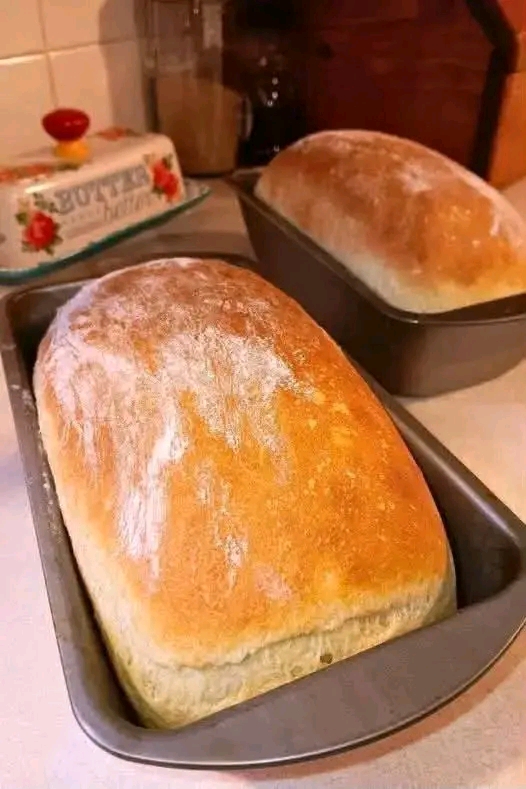
Easy No-Knead Homemade Brea
Introduction
There is something wonderfully satisfying about baking fresh bread at home, especially when the recipe requires no kneading, eggs, or butter. This simple homemade loaf uses basic pantry ingredients and minimal effort to create a crusty, golden exterior with a soft and tender interior. It is an excellent recipe for beginners or anyone looking for an inexpensive alternative to store-bought bread.
Origin
No-knead bread became especially popular through rustic European-style bread-making traditions, where long fermentation allowed time to develop gluten and flavor instead of relying on extensive kneading. Modern no-knead recipes have made this technique even easier, allowing home bakers to produce bakery-style bread with very little hands-on work.
Cultural Significance
Homemade bread has long been an important part of family meals and food traditions around the world. From European farmhouse loaves to everyday flatbreads and rustic hearth breads, bread represents simplicity, nourishment, hospitality, and sharing. No-knead bread continues that tradition while adapting it to busy modern kitchens.
Ingredients Quantity
3½ cups bread flour or all-purpose flour
2¼ tsp (1 packet) instant yeast
2 tbsp granulated sugar
1½ tsp salt
1 cup warm water, approximately 110°F (43°C)
Optional Additions
1 tbsp olive oil for a slightly softer crumb
1–2 tsp garlic powder for savory bread
1 tsp dried Italian herbs
2 tbsp grated Parmesan
Sesame, poppy, or sunflower seeds for the topping
A tablespoon or two of honey instead of sugar
Tips for Success
Make sure the water is warm, not hot. Very hot water can damage the yeast.
Measure flour accurately; too much flour can make the loaf dense.
The dough should be soft and somewhat sticky rather than dry.
Give the dough enough time to rise. A proper rise contributes to a lighter texture.
Avoid adding excessive flour while handling the dough.
For a crispier crust, bake the loaf in a preheated Dutch oven or other covered oven-safe baking vessel if available.
Let the bread cool before slicing so the interior can finish setting.
Instructions
1. In a large bowl, combine the flour, instant yeast, sugar, and salt.
2. Pour in the warm water and stir with a wooden spoon or spatula until a sticky, shaggy dough forms. Do not knead.
3. Cover the bowl with plastic wrap or a clean kitchen towel.
4. Let the dough rise in a warm, draft-free place for approximately 1–2 hours, or until noticeably doubled in size.
5. Lightly flour your work surface and transfer the dough onto it. Gently shape it into a round or oval loaf. Handle it as little as possible.
6. Place the shaped dough on parchment paper or a lightly floured baking sheet. Cover and let it rest for another 20–30 minutes.
7. Meanwhile, preheat the oven to 425°F (220°C).
8. If desired, score the top of the loaf with a sharp knife.
9. Bake for approximately 25–35 minutes, until the bread is golden brown and sounds hollow when tapped.
10. Transfer the loaf to a wire rack and allow it to cool before slicing.
Description
This no-knead bread produces a beautifully golden crust with a soft, chewy interior. The recipe is wonderfully economical because it requires only a handful of everyday ingredients. Fresh from the oven, it is delicious with soup, sandwiches, cheese, jam, or simply a little olive oil.
Nutritional Information
Approximate values per serving, assuming 10 slices and using all-purpose flour:
Calories: 145–165
Protein: 4–5 g
Carbohydrates: 30–33 g
Fat: 0–1 g
Fiber: 1–2 g
Sugar: 2–3 g
Sodium: approximately 330–370 mg
Values are estimates and will vary according to flour brands, slice size, and preparation.
Conclusion
This easy no-knead bread proves that homemade bread does not have to be complicated. With flour, yeast, water, sugar, and salt, you can create a warm, fragrant loaf without eggs, butter, or lengthy kneading.
Recommendation
Enjoy it freshly baked with your favorite spread, alongside a bowl of soup, or sliced for sandwiches. For extra flavor, try adding herbs, garlic, seeds, or Parmesan to create your own signature loaf.
Embracing Healthful Indulgence
Homemade bread allows you to control the ingredients and avoid unnecessary additions. Pairing a slice with vegetables, lean proteins, eggs, or a wholesome soup can turn it into part of a balanced meal. As with any bread, enjoying a sensible portion and savoring it slowly is a simple way to make room for satisfying homemade foods in a balanced diet.
If you’d like to keep receiving my full recipes, please leave a little love in the comments. Thank you!