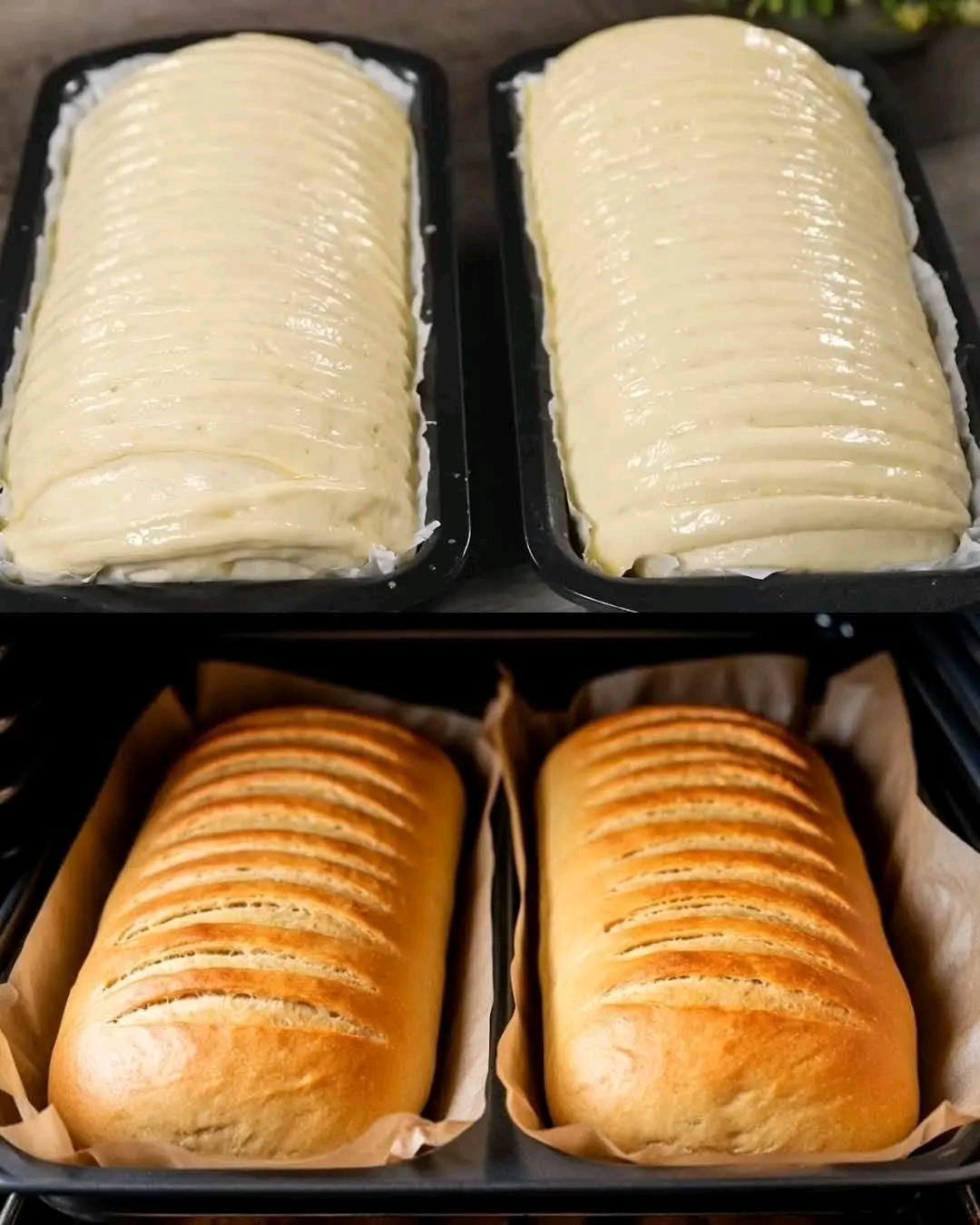
Turkish Grandma’s Secret to Fluffy Bread
Introduction
This Turkish-inspired fluffy bread recipe begins with a simple yeast mixture of warm water, warm milk, sugar, and flour. Allowing the yeast to activate before adding the remaining ingredients helps create a soft, airy dough with a tender texture. It is the kind of homemade bread that fills the kitchen with a comforting aroma and brings a traditional touch to the table.
Origin
The recipe reflects the traditions of Turkish home baking, where yeast breads and enriched doughs are commonly prepared for family breakfasts, gatherings, and everyday meals. Turkish bread-making includes many regional variations, with techniques passed down through generations. This particular method highlights the importance of properly activating the yeast before continuing with the dough.
Cultural Significance
Bread holds an important place in Turkish food culture and hospitality. Homemade bread is often associated with generosity, family meals, and sharing. Recipes described as coming from a grandmother evoke the tradition of preserving practical baking knowledge and passing cherished techniques from one generation to the next.
Ingredients Quantity
200 ml warm water
200 ml warm milk
2 tablespoons granulated sugar
8 g dry yeast
3 tablespoons wheat flour, for the yeast mixture
Additional wheat flour as needed to form the dough
1 teaspoon salt
2–3 tablespoons vegetable oil or melted butter
Optional Additions
Sesame seeds for the topping
Nigella seeds for a traditional Turkish-inspired finish
1 egg yolk mixed with a little milk for brushing
A tablespoon of yogurt for extra tenderness
Chopped fresh herbs for a savory variation
A small amount of butter brushed over the finished bread
Tips for Success
The water and milk should be warm, not hot. Excessive heat can damage the yeast.
Let the yeast mixture stand for about 15 minutes until it becomes foamy or bubbly.
Add flour gradually rather than all at once. Too much flour can make the bread dense.
Knead until the dough becomes smooth and elastic.
Give the dough enough time to rise; proper fermentation is one of the keys to fluffy bread.
Avoid adding excessive flour during shaping.
Allow the finished bread to cool slightly before slicing so the interior can set properly.
Instructions
1. Combine the warm water, warm milk, sugar, and dry yeast in a large bowl.
2. Mix thoroughly until the yeast is distributed.
3. Add 3 tablespoons of wheat flour and whisk until smooth and free of lumps.
4. Cover the bowl with a clean kitchen towel and let it rest for about 15 minutes.
5. Once the mixture becomes foamy, add the salt and oil or melted butter.
6. Gradually add the remaining flour while mixing until a soft, slightly tacky dough forms.
7. Knead the dough for approximately 8–10 minutes, until smooth and elastic.
8. Place the dough in a lightly oiled bowl, cover, and let it rise in a warm place until approximately doubled in size, usually 1–1½ hours depending on room temperature.
9. Gently deflate the dough and shape it into one large loaf or several smaller rolls.
10. Place on a lined baking tray, cover, and allow to rise again for about 30–45 minutes.
11. Brush the surface with egg wash if desired and sprinkle with sesame or nigella seeds.
12. Bake in a preheated 180–190°C (350–375°F) oven until golden brown and cooked through, approximately 20–30 minutes depending on the size of the loaf.
13. Let cool on a rack before serving.
Description
The finished bread should have a beautifully golden exterior and a soft, airy interior. The combination of milk and careful yeast activation gives the crumb a tender texture, while the gentle sweetness makes it delicious with butter, cheese, honey, jam, or savory dishes.
Nutritional Information
Approximate nutrition will depend on the final amount of flour, oil, and toppings used. A serving may contain around 180–230 calories, with carbohydrates providing most of the energy, along with moderate protein and fat from the milk and added oil or butter. Homemade bread can vary considerably depending on portion size.
Conclusion
This fluffy bread is a wonderful example of how a few simple ingredients and proper technique can produce something incredibly satisfying. The most important ingredients aren’t just flour and yeast—they are patience, gentle handling, and enough time for the dough to rise.
Recommendation
Enjoy the bread warm with butter, feta-style cheese, olives, eggs, honey, or homemade jam. It is also excellent alongside soups and stews or sliced for sandwiches.
Embracing Healthful Indulgence
Homemade bread can absolutely fit into a balanced eating pattern. For a more nutritious version, replace part of the white wheat flour with whole-wheat flour, add seeds such as sesame or flax, and keep added sugar and butter moderate. Pairing a slice with protein, vegetables, or fruit can make it a more satisfying part of a balanced meal.