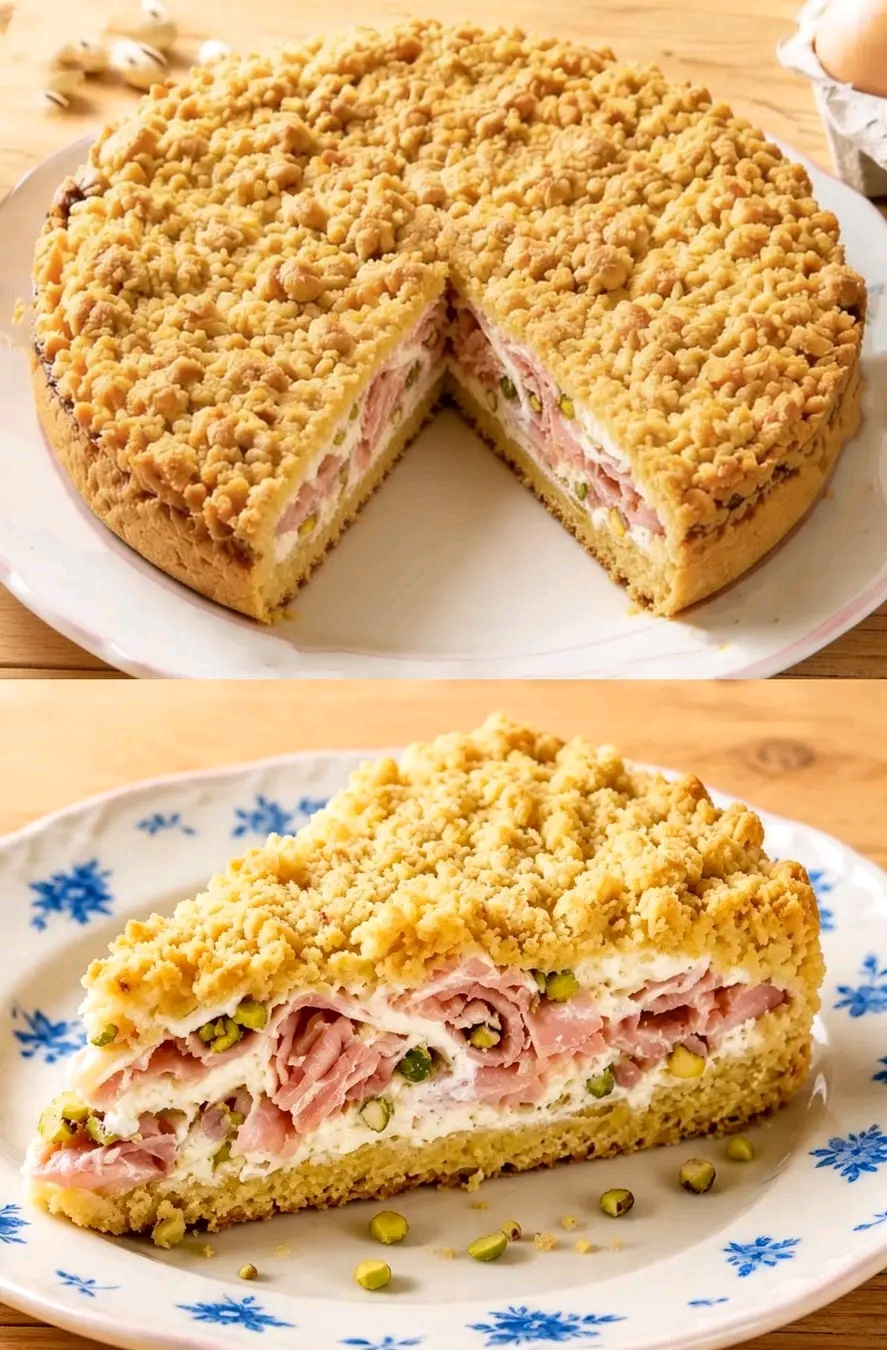
Warm German Streuselkuchen Classic Crumb Cake
Introduction
Dieser Streuselkuchen, or German crumb cake, is a wonderfully comforting bake made with a soft, lightly sweet yeast dough and a generous layer of buttery streusel. The contrast between the fluffy base and crisp, golden crumbs makes it especially irresistible when served warm.
Origin
Streuselkuchen is a traditional German sheet cake associated particularly with Saxony and Silesia, although its exact birthplace is not definitively documented. Historical references to Streuselkuchen date back centuries, and by the 19th century it had become a well-known homemade cake in Silesia and neighboring regions.
Cultural Significance
This cake has long been connected with German coffee-table traditions, family gatherings, celebrations, and community occasions. It is especially suited to Kaffee und Kuchen, the cherished German custom of enjoying coffee and cake together.
Ingredients Quantity
Makes approximately 12–16 pieces
For the Yeast Dough
3½ cups (440 g) all-purpose flour
1 cup (240 ml) lukewarm milk
⅓ cup (70 g) granulated sugar
5 tablespoons (70 g) softened butter
1 large egg
2¼ teaspoons (7 g) active dry yeast
½ teaspoon salt
1 teaspoon vanilla extract
For the Streusel
1¾ cups (220 g) all-purpose flour
¾ cup (150 g) granulated sugar
¾ cup (170 g) cold unsalted butter, cubed
1 teaspoon cinnamon
1 teaspoon vanilla sugar or ½ teaspoon vanilla extract
Pinch of salt
The classic streusel topping is essentially a mixture of flour, sugar, and fat, with butter commonly used for a rich buttery finish.
Optional Additions
2 apples, thinly sliced
1½ cups pitted sour cherries
1½ cups fresh blueberries
2 cups sliced plums
½ cup vanilla pudding
½ teaspoon extra cinnamon
½ cup chopped almonds or hazelnuts
Powdered sugar for dusting
Fruit, vanilla cream, and other fillings are common variations of Streuselkuchen.
Tips for Success
Use lukewarm milk: It should feel comfortably warm, not hot.
Give the yeast time: Let the dough rise until visibly doubled for the softest texture.
Keep the streusel cold: Cold butter helps create chunky, crumbly pieces rather than a paste.
Don’t overwork the crumbs: Stop mixing as soon as coarse crumbs form.
Spread the dough evenly: A relatively thin base allows the streusel to remain the star of the cake.
Serve it warm: The buttery aroma and soft yeast cake are at their most irresistible shortly after baking.
Instructions
1. Combine the lukewarm milk, yeast, and 1 teaspoon of the sugar. Let stand for 5–10 minutes until foamy.
2. Add the flour, remaining sugar, softened butter, egg, vanilla, and salt.
3. Knead for approximately 8–10 minutes until the dough becomes smooth and elastic.
4. Cover the bowl and let the dough rise in a warm place for about 1 hour, or until doubled in size.
5. Meanwhile, prepare the streusel. Combine the flour, sugar, cinnamon, vanilla, and salt.
6. Add the cold butter and rub it into the dry ingredients with your fingertips until coarse crumbs form.
7. Preheat the oven to 350°F (180°C).
8. Grease a large baking sheet, approximately 12 × 16 inches (30 × 40 cm).
9. Gently deflate the risen dough and spread it evenly over the baking sheet.
10. Add any optional fruit or vanilla pudding layer if desired.
11. Scatter the streusel generously over the surface.
12. Allow the assembled cake to rest for another 15–20 minutes.
13. Bake for approximately 30–35 minutes, until the cake is cooked through and the streusel is beautifully golden.
14. Let it cool for only a few minutes before cutting if you want to enjoy it warm.
Description
Imagine a soft, buttery yeast cake covered with mountains of golden, crunchy crumbs. Every bite delivers a combination of tender cake and rich streusel, with optional fruit adding a lovely tart contrast. It’s rustic, nostalgic, and incredibly satisfying.
Nutritional Information
Approximate per serving, based on 14 pieces of the plain cake:
Calories: 350–390 kcal
Protein: 6–7 g
Carbohydrates: 50–55 g
Fat: 14–17 g
Fiber: 1–2 g
Sugar: 20–24 g
Sodium: 180–230 mg
Values will vary according to portion size and optional toppings.
Conclusion
Streuselkuchen is a beautiful example of traditional baking at its simplest: yeast dough, butter, sugar, and flour transformed into an incredibly comforting cake. Its crisp streusel and tender base make it a timeless favorite.
Recommendation
Serve it warm with freshly brewed coffee or tea. For an extra-special dessert, add a spoonful of lightly whipped cream or vanilla ice cream. Apple, plum, or sour-cherry versions are particularly delicious.
Embracing Healthful Indulgence
For a slightly lighter version, reduce the sugar in the dough and streusel, add fresh fruit, and serve smaller portions alongside coffee or tea. Using fruit such as apples, plums, or berries can add natural sweetness, flavor, and fiber while keeping the traditional character of the