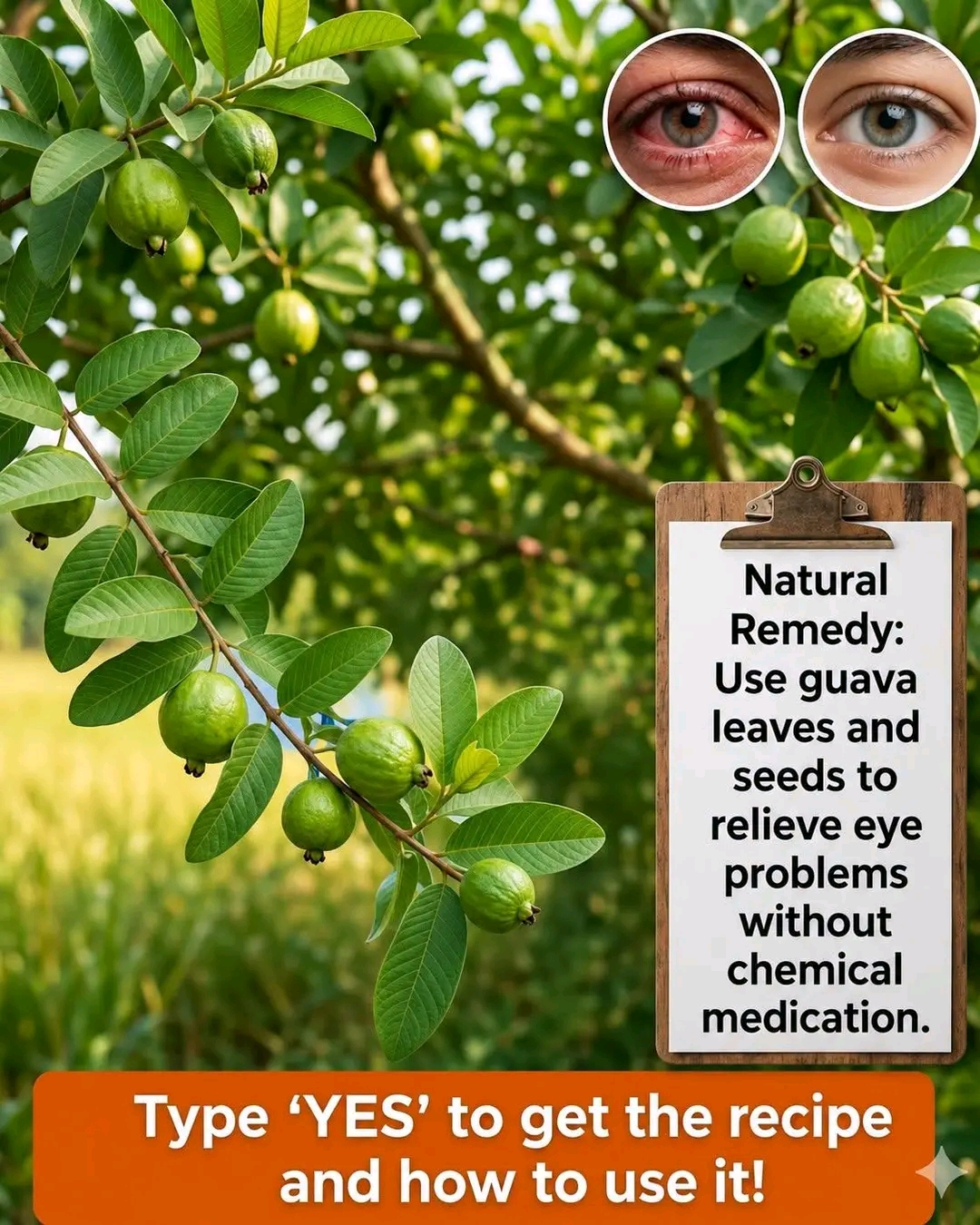
Guava Leaf Herbal Tea
Introduction
Guava leaves have long been used in traditional herbal practices and are valued for their rich antioxidant and plant compound content. While guava leaf tea can be a soothing herbal beverage, there is no reliable scientific evidence that it can treat eye diseases, improve vision, or relieve eye pain without medication. If you experience persistent eye pain, vision changes, redness, or other concerning symptoms, it’s important to consult an eye care professional.
Origin
Guava trees are native to Central and South America but are now widely cultivated throughout tropical and subtropical regions, including Asia, Africa, and the Caribbean. The leaves have been traditionally brewed into herbal teas for generations.
Cultural Significance
In many cultures, guava leaf tea is appreciated as a traditional wellness beverage and is commonly enjoyed for general health and digestive comfort. It remains a popular herbal infusion in many households.
Ingredients
10–12 fresh guava leaves (or 1 tablespoon dried guava leaves)
4 cups (1 liter) water
1–2 teaspoons honey (optional)
1 teaspoon fresh lemon juice (optional)
Ingredient Quantities
Ingredient Quantity
Fresh guava leaves 10–12
Water 4 cups (1 liter)
Honey 1–2 teaspoons (optional)
Lemon juice 1 teaspoon (optional)
Optional Additions
Fresh ginger slices
Mint leaves
Cinnamon stick
Lemon slices
Chamomile flowers
Tips for Success
Wash fresh leaves thoroughly before use.
Simmer gently rather than boiling vigorously to preserve flavor.
Strain well before drinking.
Enjoy in moderation as part of a balanced diet.
Do not use homemade guava leaf tea or other herbal preparations as eye drops or directly in the eyes, as this may cause irritation or infection.
Instructions
1. Rinse the guava leaves thoroughly.
2. Bring the water to a gentle boil.
3. Add the guava leaves and reduce to a simmer.
4. Simmer for 10–15 minutes.
5. Remove from the heat and let steep for 5 minutes.
6. Strain into cups.
7. Add honey or lemon juice if desired.
8. Serve warm or chilled.
Description
This herbal tea has a mild, earthy flavor with subtle grassy notes. Optional honey and lemon add sweetness and brightness, creating a comforting beverage that can be enjoyed any time of day.
Nutritional Information (Approximate per serving)
Calories: 5–15 (without honey)
Protein: 0 g
Carbohydrates: 1–3 g
Fat: 0 g
Fiber: 0 g
Sodium: 0 mg
Conclusion
Guava leaf tea is a pleasant traditional herbal drink that may be enjoyed as part of a healthy lifestyle. However, it should not be considered a treatment for eye diseases or vision problems.
Recommendation
Enjoy guava leaf tea alongside a balanced diet rich in leafy greens, colorful fruits, omega-3-rich foods, and adequate hydration to support overall wellness. If you have eye pain, worsening vision, or ongoing eye fatigue, seek evaluation from an eye care professional rather than relying on home remedies.
Embracing Healthful Indulgence
Natural herbal beverages can be a relaxing addition to your daily routine, especially when paired with healthy habits such as sufficient sleep, regular eye breaks from screens, and a nutritious diet. Appreciating traditional remedies while recognizing their limitations helps support informed, balanced wellness choices.