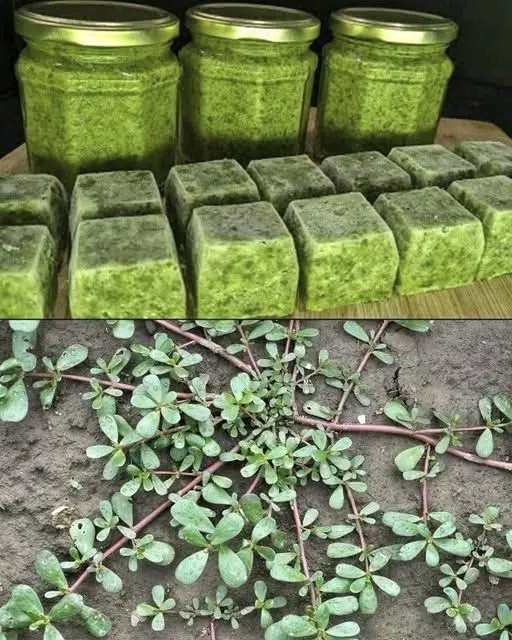
Dandelion: The Garden “Gold Mine” Weed Recipe Guide
Introduction
Often overlooked as a simple garden weed, dandelion is actually a valuable edible plant that has been used for generations. Its leaves, flowers, and roots can be transformed into nutritious dishes, teas, and natural remedies. Instead of removing it from your garden, you can enjoy it as a flavorful ingredient full of traditional value.
Origin
Dandelion has been used for centuries across Europe, Asia, and North America. Ancient cultures valued it as a seasonal food source, especially in spring when fresh greens were limited. Traditional herbal practices used dandelion for its leaves, roots, and flowers in various preparations.
Cultural Significance
In many cultures, dandelion represents resilience because it grows almost anywhere and returns year after year. It has been considered a symbol of renewal, health, and connection with nature. Many traditional cuisines use young dandelion greens in salads, cooked dishes, and herbal drinks.
Ingredients Quantity
Fresh Dandelion Salad
Young dandelion leaves – 4 cups, washed and dried
Cherry tomatoes – 1 cup, halved
Cucumber – 1 medium, sliced
Red onion – ½ small, thinly sliced
Olive oil – 3 tablespoons
Lemon juice – 2 tablespoons
Garlic – 1 clove, minced
Salt – ½ teaspoon
Black pepper – ¼ teaspoon
Feta cheese – ½ cup (optional)
Optional Additions
Boiled eggs for extra protein
Walnuts or almonds for crunch
Fresh herbs like parsley or mint
Avocado slices
Chickpeas for a more filling meal
Honey mixed into the dressing for a sweet balance
Tips for Success
Choose young dandelion leaves because they are more tender and less bitter.
Wash leaves thoroughly to remove dirt.
Soak leaves briefly in cold water to reduce bitterness.
Avoid collecting dandelions from areas treated with chemicals.
Use fresh leaves for the best flavor and texture.
Instructions
1. Wash the dandelion leaves carefully and dry them well.
2. Prepare the vegetables by slicing tomatoes, cucumber, and onion.
3. Mix olive oil, lemon juice, garlic, salt, and pepper to create the dressing.
4. Combine dandelion leaves and vegetables in a large bowl.
5. Add dressing and toss gently.
6. Sprinkle with feta cheese or your favorite toppings.
7. Serve fresh and enjoy.
Description
This dandelion salad is fresh, slightly earthy, and full of vibrant flavors. The natural bitterness of the greens pairs beautifully with the bright lemon dressing, crunchy vegetables, and creamy toppings. It is a simple way to turn a common garden plant into a wholesome meal.
Nutritional Information
Dandelion greens are naturally rich in:
Fiber for digestive health
Vitamins A, C, and K
Minerals such as calcium and potassium
Antioxidants that support overall wellness
Nutritional values vary depending on ingredients and portion size.
Conclusion
Dandelion is more than just a weed; it is a traditional food with a long history and impressive nutritional qualities. With a little preparation, this garden plant can become a delicious addition to your meals.
Recommendation
Try using young dandelion leaves in salads, cooked dishes, or herbal preparations. Always make sure the plant comes from a safe, untreated source before eating.
Embracing Healthful Indulgence
Enjoying natural foods like dandelion is a beautiful reminder that nourishing ingredients can be found in unexpected places. By appreciating these traditional plants, we can create simple, flavorful meals while staying connected to nature.