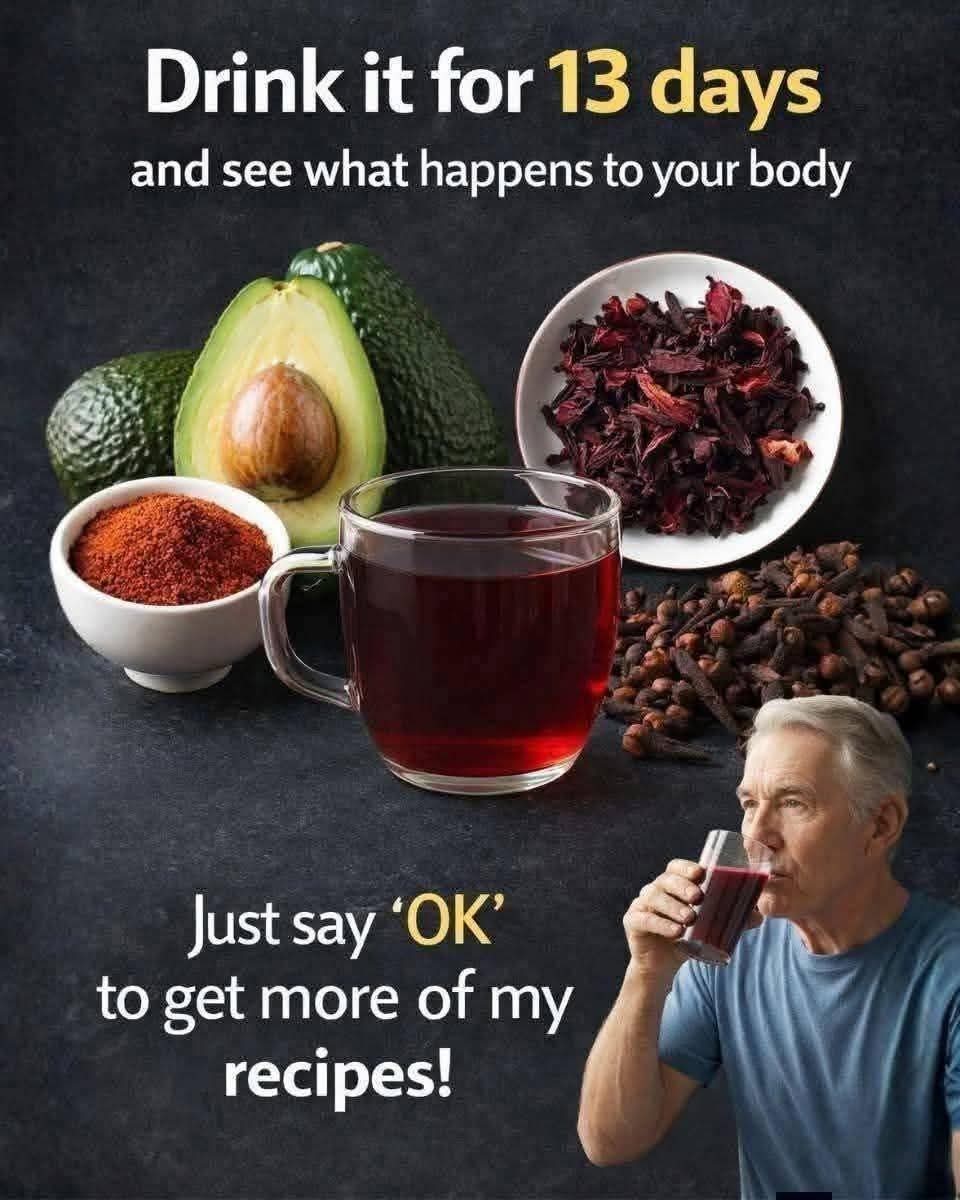
Here is a comprehensive guide to the Hibiscus Clove Wellness Tonic—a vibrant, aromatic elixir that’s as medicinal as it is delicious.
Introduction
Imagine a deep ruby-red brew, tart and floral, warmed by the spicy, almost peppery kiss of cloves. The Hibiscus Clove Wellness Tonic is more than a beverage; it’s a ritual of self-care. For centuries, cultures from West Africa to the Caribbean have simmered hibiscus (often called sorrel or bissap) with spices to create a drink that cools fevers, aids digestion, and lifts the spirit. By adding cloves—tiny powerhouses of eugenol—you create a potent synergy: a tonic that supports immunity, circulation, and inflammation response. Sip it hot on a cold evening or chilled as a refreshing cooler. This is your big, complete guide.
Ingredients
Makes about 2 liters / 8 cups
· Dried hibiscus flowers (flor de jamaica): 1½ cups (60g)
· Whole cloves: 2 tablespoons (15g) – do not use ground cloves, they will cloud the tonic
· Fresh ginger: 5 cm (2-inch) piece, thinly sliced (unpeeled)
· Cinnamon sticks: 2 (each ~7cm/3 inches)
· Orange or lemon zest: Peel from 1 organic orange (no white pith)
· Filtered water: 3 liters (12 cups)
· Natural sweetener (choose one):
· Raw honey: ½ cup (to add off heat)
· Maple syrup or coconut sugar: ½ cup (can simmer)
· Optional boost: 1 star anise + 1 tablespoon fresh lime juice at the end
Instructions
1. Rinse the hibiscus quickly under cold water in a fine-mesh sieve to remove any grit.
2. In a large non-reactive pot (stainless steel or glass-enamel), combine water, hibiscus, cloves, ginger, cinnamon, and citrus zest.
3. Bring to a boil over high heat, then immediately reduce to a low simmer.
4. Simmer uncovered for 25 minutes. The kitchen will smell like a spice market.
5. Remove from heat. If using honey (which is heat-sensitive), wait 5 minutes then stir it in. For maple syrup, add now.
6. Cover and steep for another 30 minutes to extract maximum clove eugenol and anthocyanins from hibiscus.
7. Strain through a cheesecloth-lined sieve or a nut milk bag (discard solids).
8. Press the solids gently to extract every drop – but don’t squeeze hard (or it turns bitter).
9. Add lime juice if using. Serve warm, or chill for 2 hours.
Methods (Two Ways)
Method Time Best For
Hot infusion (above) 55 min + steeping Cold weather, sore throat, sleep support
Cold-brew method 12 hours Maximum antioxidants (less tannin bitterness) – combine all ingredients in a large jar with cold water, refrigerate overnight, then strain.
Pro tip: For an extra-strong clove note, crack 6 cloves lightly with a knife before simmering.
History
· Hibiscus sabdariffa originated in West Africa and moved to India and the Caribbean via trade routes. Ancient Egyptians drank hibiscus tea to lower body temperature in the scorching heat.
· Cloves (from the Molucca Islands, Indonesia) were so prized in 16th-century Europe that a single nutmeg or clove could buy a sheep. The Dutch once destroyed entire islands of clove trees to control prices.
· This tonic blends two worlds: West African bissap (hibiscus, ginger, clove) and Caribbean sorrel (often with rum at Christmas). It’s a drink of resilience, celebration, and medicine.
Benefits (Evidence-Informed)
Benefit How It Works
Blood pressure support Hibiscus acts as a natural ACE inhibitor – several clinical trials show 10 mmHg reduction in systolic BP
Antimicrobial Clove’s eugenol fights oral bacteria and Candida
Rich in vitamin C & anthocyanins The deep red color = antioxidants that reduce oxidative stress
Digestive aid Clove stimulates digestive enzymes; hibiscus has mild diuretic and laxative effects
Menstrual comfort The warmth and anti-inflammatory compounds may ease cramps
Note: Avoid if pregnant (high doses of hibiscus may stimulate menstruation) or on blood pressure meds (can cause additive effects). Always consult your doctor.
Formation (The Chemistry of Flavor)
· Hibiscus contributes hibiscus acid (tartness), citric acid (brightness), and anthocyanins (cyanidin-3-sambubioside – the red color).
· Cloves deliver eugenol (70–90% of their oil) – a phenylpropanoid that creates that numbing, warm sensation and inhibits lipid peroxidation.
· When simmered together, the heat releases volatile terpenes from clove (beta-caryophyllene) and breaks down hibiscus mucilage for a smoother mouthfeel. The acidity of hibiscus actually enhances eugenol’s solubility, making it more bioavailable.
Nutrition (Per 1 cup / 240ml, unsweetened)
· Calories: 8
· Vitamin C: 24% DV
· Iron: 12% DV (hibiscus is surprisingly high in non-heme iron)
· Manganese: 15% DV (from cloves)
· Magnesium: 5% DV
· No caffeine, no fat, <1g sugar (before sweetening)
With 1 tsp honey: ~22 calories.
Who This Tonic Loves (The “Lovers”)
This tonic is adored by:
· The tea ritualist – who loves layering floral and spicy notes.
· The busy parent – because it soothes a scratchy throat and boosts immunity without pills.
· The athlete – as a tart, refreshing electrolyte alternative (add a pinch of sea salt).
· The sober-curious – garnished with fizzy water and mint, it replaces cocktails beautifully.
· Anyone chasing warmth – on a cold, rainy evening, it feels like a hug.
In Ghana, bissap is sold by street vendors – and everyone from truck drivers to grandmothers loves its cooling power under the sun.
Conclusion (First)
The Hibiscus Clove Wellness Tonic is a masterpiece of simplicity: five ingredients, one pot, and 55 minutes yield a drink that nourishes on every level. It connects you to ancient plant wisdom, offers measurable health benefits, and tastes like a tart, spicy jewel. Make a batch on Sunday – keep it in your fridge – and drink it as a gentle reset any time of day.
Lovers (A Second Note on Devotion)
Beyond individual drinkers, this tonic has cult followings:
· In Mexico, agua de jamaica is a beloved street staple – often sold from giant glass jars.
· In Indonesia, wedang uwuh (a clove-cinnamon-hibiscus drink) is considered a “garbage drink” (the name means “trash”) because the floating spices look like leaves – yet it’s deeply loved for gout relief and colds.
· Modern herbalist forums (Reddit’s r/herbalism, for instance) regularly name this combo a top 3 “cold-buster.”
Final Conclusion (A Toast)
You now hold a big recipe with history, chemistry, and soul. Whether you seek lower blood pressure, a festive caffeine-free punch, or simply a stunning crimson beverage to offer guests – this tonic delivers. Brew it, bottle it, share it. And remember: every sip carries the echo of ancient spice routes and grandmothers’ kitchens.
To your wellness. 🌺