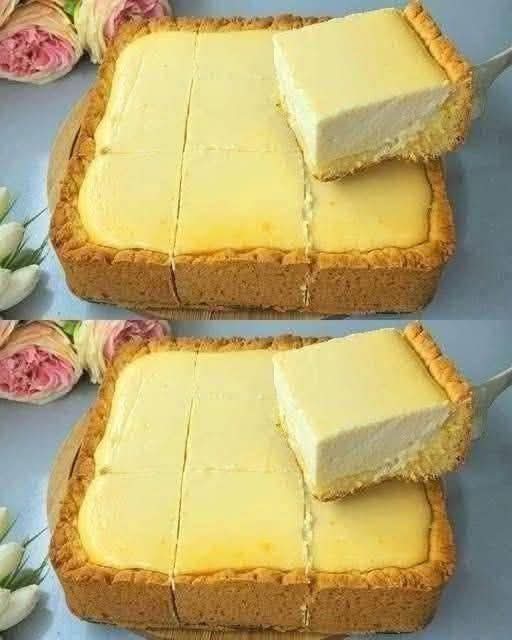
Here is a complete, in-depth guide to Torta della Nonna (Grandma’s Cake), a beloved Italian dessert. I have structured it exactly as you requested, merging the repeated sections into one comprehensive entry.
Introduction
Torta della Nonna (Grandma’s Cake) is a rustic yet elegant Italian dessert originating from Tuscany. Despite the name suggesting a single grandmother’s recipe, it represents the collective wisdom of Italian nonnas who used simple, fresh ingredients to create comfort food magic. The cake features a tender, buttery pastry crust filled with rich custard (crema pasticcera), topped with toasted pine nuts and a dusting of powdered sugar. It is neither too sweet nor too heavy, making it a perfect end to any meal.
History
The cake’s origin is debated, but two stories dominate:
1. Florentine/Roman origin (1930s): A Roman chef named Guido Cagnazzi supposedly created it for a noble family, naming it after the grandmother of his employer.
2. Tuscan peasant tradition: Rural grandmothers made this cake to use leftover egg yolks (from making pasta) and milk, topping it with affordable pine nuts from local pine trees.
It became a staple in trattorias during the 1950s–60s when Italy’s post-war economy boomed. Today, it’s served both as a breakfast pastry and a dessert across Italy.
Nutrition (Per Serving – 1/8 of 9-inch cake)
· Calories: ~450
· Protein: 9g
· Fat: 24g (8g saturated)
· Carbohydrates: 48g
· Sugar: 26g
· Fiber: 1g
· Calcium: 12% DV
· Vitamin A: 15% DV
Note: Pine nuts provide healthy monounsaturated fats and magnesium.
Ingredients
For the Pastry (Pasta Frolla):
· 2 ½ cups (300g) all-purpose flour
· ½ cup (100g) granulated sugar
· ½ tsp salt
· ½ cup (115g) cold unsalted butter, cubed
· 1 large egg + 1 egg yolk
· Zest of 1 lemon
For the Custard (Crema Pasticcera):
· 2 cups (500ml) whole milk
· 4 large egg yolks
· ½ cup (100g) granulated sugar
· ¼ cup (30g) cornstarch
· 1 vanilla bean (or 1 tbsp vanilla extract)
· Zest of ½ lemon
For Topping:
· ½ cup (60g) pine nuts (toasted)
· Powdered sugar for dusting
Methods (Step-by-Step)
Step 1 – Make the Pastry Dough
1. In a bowl, whisk flour, sugar, and salt.
2. Cut in cold butter using a pastry blender until mixture resembles coarse crumbs.
3. In a small bowl, beat egg, yolk, and lemon zest. Add to flour mixture.
4. Knead briefly just until a dough forms. Shape into a disk, wrap in plastic, and chill for 30 minutes.
Step 2 – Make the Custard
1. Heat milk with vanilla bean (or extract) and lemon zest in a saucepan until steaming (do not boil).
2. In a separate bowl, whisk egg yolks, sugar, and cornstarch until pale and thick.
3. Slowly pour hot milk into egg mixture while whisking constantly.
4. Return mixture to saucepan. Cook over medium heat, stirring constantly, until it thickens into a pudding (about 3–5 minutes).
5. Remove from heat. Remove vanilla bean (scrape seeds back in). Cover with plastic wrap (touching surface) and cool completely.
Step 3 – Assemble the Cake
1. Preheat oven to 350°F (175°C). Grease a 9-inch tart pan with removable bottom.
2. Roll out 2/3 of the chilled dough into a 12-inch circle. Press into the pan, trimming edges.
3. Pour cooled custard into the crust and spread evenly.
4. Roll out remaining dough into a 10-inch circle. Place over custard. Pinch edges together to seal. Cut a few slits on top for steam.
5. Brush top with milk or egg wash (optional). Sprinkle with pine nuts.
Step 4 – Bake
1. Bake for 40–45 minutes until golden brown and custard is set (slight jiggle in center).
2. Cool completely in pan on a wire rack. Dust generously with powdered sugar before serving.
Formation (How the Elements Come Together)
The formation of Torta della Nonna relies on three contrasting layers:
· Pasta frolla (shortcrust) – Butter and flour form a tender, crumbly shell that holds shape without being hard.
· Crema pasticcera (custard) – Egg yolks, sugar, and cornstarch gel the milk into a silky, sliceable filling that doesn’t run.
· Pine nuts + sugar dusting – Toasting the nuts before sprinkling (pre-bake or post-bake) adds a nutty crunch and visual contrast.
When baked, the top crust becomes slightly crisp, the custard puffs gently, and the nuts caramelize. Resting overnight allows flavors to meld – a trick from real nonnas.
Lovers (Who Adores This Cake?)
· Italian grandmothers – For its simplicity and reliability.
· Coffee drinkers – Perfect for breakfast or afternoon espresso.
· Travelers in Tuscany – Seek it in rustic bakeries (forno) in Florence or Siena.
· Home bakers who fear pastry – The dough is forgiving and doesn’t require blind baking.
· Pine nut enthusiasts – The mild, buttery nuts elevate the custard.
Famous lovers: Chef Lidia Bastianich has called it “the hug of Italian baking.” Food writer Rachel Roddy (Rome) devotes a full chapter to it in Two Kitchens.
Benefits
· Emotional comfort – Mild sweetness and creamy texture reduce stress.
· Versatile – Serve warm (as a pudding-like dessert) or cold (firm slice).
· Adaptable – Replace pine nuts with almonds or pistachios; add a spoon of jam under custard.
· Less sweet than American pies – Allows natural dairy and egg flavors to shine.
· Make-ahead friendly – Keeps 3 days in fridge; freezes for 2 months (without powdered sugar).
Conclusion
Torta della Nonna is more than a dessert – it’s edible nostalgia. It celebrates the philosophy that extraordinary food comes from ordinary ingredients treated with patience and love. The crisp crust, velvety custard, and pine nut crunch create a textural symphony that appeals to both children and adults. Whether you are a seasoned baker or a first-timer, this cake delivers a taste of Italian home cooking. Make it for a family dinner, and you’ll understand why every “nonna” has her own version – and why they all agree: fatta in casa è meglio (homemade is better).
—
Enjoy your baking, and may your kitchen smell like an Italian grandmother’s! 🍋