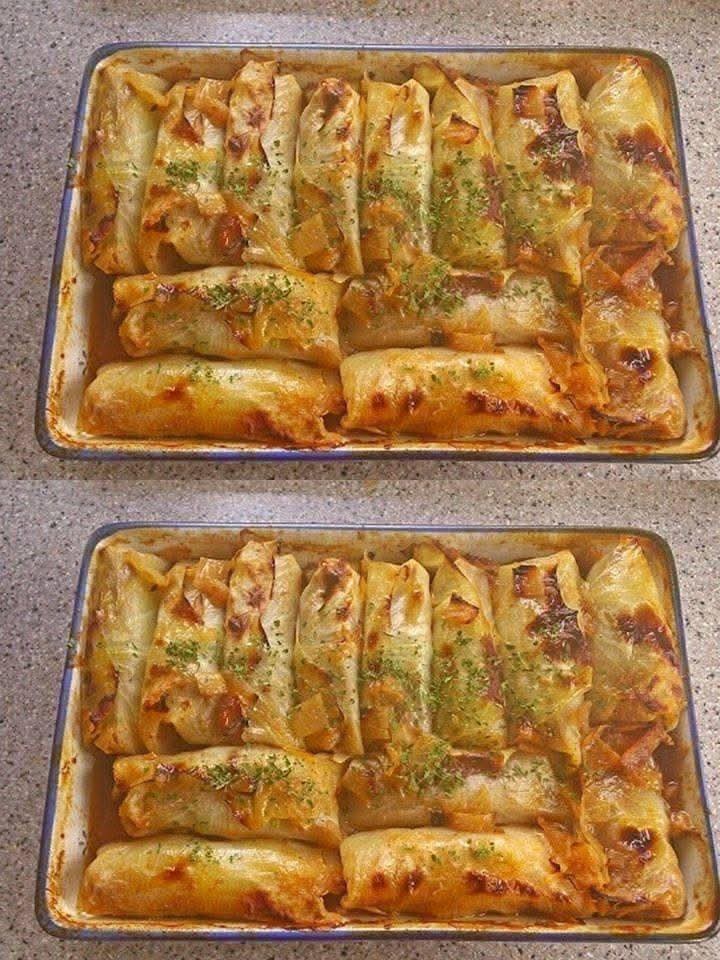
Here is a complete guide to Stuffed Cabbage Casserole, with everything from its history to a simple recipe. This “unstuffed” version is a modern twist on the classic cabbage roll, keeping all the delicious flavor but without the tedious rolling.
✨ Introduction: The Cozy, No-Fuss Casserole
There’s something incredibly comforting about a hearty, one-dish meal that fills the kitchen with a savory aroma as it bakes. This Stuffed Cabbage Casserole captures all the earthy, rich flavors of traditional stuffed cabbage rolls—a staple in many Eastern European cuisines—without the time-consuming work of blanching and rolling individual leaves.
This recipe deconstructs the classic, layering tender chopped cabbage, seasoned ground beef, and rice in a rich tomato sauce, all baked to perfection and often topped with melted cheese. It is a perfect example of how to adapt a beloved Labor of Love for the modern, busy kitchen.
📜 History: From Ancient Fields to Modern Casseroles
The story of stuffed cabbage is a fascinating journey across continents:
· Early Origins: The concept of stuffing vegetables is ancient, with roots possibly tracing back 2,000 years. The ancestors of the dish likely emerged in the Ottoman Empire, where “sarma” (a Turkish word for ‘a wrapped thing’) was a common dish made with grape or cabbage leaves.
· A European Staple: The dish traveled across Eastern Europe and the Balkans, where it was adopted and adapted by many cultures, known as “Gołąbki” in Poland, “Holubtsi” in Ukraine, and “Sarma” in the Balkans. It became a hearty, economical meal for peasants during the cold season.
· Cultural Significance: Stuffed cabbage holds profound cultural significance, symbolizing celebration and resilience, and often gracing holiday tables and family gatherings as a symbol of hospitality and care. The modern casserole version is a practical adaptation that preserves the soul of the original while simplifying the preparation.
🥬 Benefits: Why This Casserole is Good for You
This satisfying dish also offers nutritional benefits:
· Rich in Vitamins: Cabbage, the star of the dish, is a well-known source of essential nutrients, including Vitamins C and K and potassium.
· High in Protein: With ground beef as a primary ingredient, this meal is packed with protein, which is crucial for muscle repair and satiety.
· Flexible for Diets: It’s easy to adapt this recipe to suit different dietary needs:
· Low-Carb / Keto: Swap the rice for cauliflower rice, or omit it entirely.
· Gluten-Free: Use gluten-free Worcestershire sauce and ensure your broth is gluten-free.
· Leaner Option: Use ground turkey or a plant-based alternative instead of ground beef.
📊 Nutrition: What’s on Your Plate
Nutritional content varies by recipe, but here’s a typical breakdown for one serving (about 1 cup) of a traditional Stuffed Cabbage Casserole:
· Calories: 295
· Carbohydrates: 34g
· Fiber: 5g
· Protein: 19g
· Fat: 10g
· Sodium: 815mg
🥣 Lovers: A Dish That Brings People Together
The people love this casserole because it solves a timeless kitchen dilemma. It’s for anyone who craves the nostalgic, comforting taste of traditional cabbage rolls but finds the preparation too fussy for a busy weeknight. It appeals to busy families, meal-preppers, and budget-conscious cooks because it uses affordable ingredients and reheats beautifully, making it perfect for dinner and tomorrow’s lunch.
👩🍳 Methods & Formation: Building the Perfect Casserole
Step-by-Step Recipe and Instructions
Ingredients:
· For the Base: 1 tbsp olive oil, 1 large head (about 2 lbs) green cabbage, coarsely chopped.
· For the Meat: 1 lb lean ground beef (or ground turkey), 1 small onion chopped, 2 cloves garlic minced, 1 tsp dried thyme.
· For the Sauce: 1 can (15 oz) tomato sauce, 1 can (14.5 oz) diced tomatoes, 1 tbsp Worcestershire sauce, 1 tsp paprika, 1 cup low-sodium beef broth.
· For the Filling & Topping: 1 cup uncooked or cooked brown rice, 1 cup shredded mozzarella or Italian cheese blend (optional).
· Seasoning: Salt, black pepper, and garlic powder (to taste).
Instructions:
1. Prep: Preheat oven to 375°F (190°C) and lightly grease a 9×13-inch baking dish.
2. Cook the Meat: Heat oil in a skillet over medium heat. Add the onion and cook until soft and translucent. Add the ground beef and cook until browned, breaking it apart as it cooks. Add the minced garlic, dried thyme, and paprika, and cook for another minute until fragrant.
3. Simmer the Sauce: Stir the diced tomatoes (with juice), tomato sauce, and Worcestershire sauce into the meat mixture. Simmer for 5 minutes until slightly thickened.
4. Assemble the Casserole:
· Start with a layer: Spread half of the chopped cabbage evenly in the bottom of the prepared baking dish.
· Add the filling: Spread half of the meat-tomato mixture over the cabbage layer.
· Add the rice: Evenly sprinkle half of the uncooked rice over the meat layer.
· Repeat the layers: Use the remaining cabbage, meat, and rice to create another complete layer.
· Pour the liquid: Carefully pour the beef broth around the edges of the dish to keep everything moist as it bakes.
5. Bake: Cover tightly with foil and bake for 60 minutes.
6. Add Cheese and Finish: Remove the foil, and if using, sprinkle the shredded cheese evenly on top. Return to the oven (uncovered) and bake for another 15-20 minutes, until the cheese is melted, bubbly, and golden.
7. Rest and Serve: Let the casserole rest for at least 10 minutes before serving. This helps the layers set so it doesn’t fall apart.
8. Nutrition (per serving): Approximately 295-400 calories, 19-30g protein, significant Vitamin C and K, and dietary fiber.
💭 Conclusion
This Stuffed Cabbage Casserole recipe is more than just a meal; it’s a celebration of culinary evolution. It respects the rich, deep history and cultural heart of the traditional cabbage roll while embracing modern needs for convenience and speed. It’s a testament to how we can keep our favorite family flavors alive—not by being chained to the past, but by finding smart, delicious ways to enjoy them today.
If you try this recipe, I’d love to hear how it turns out! Please share your experience in the comments below.