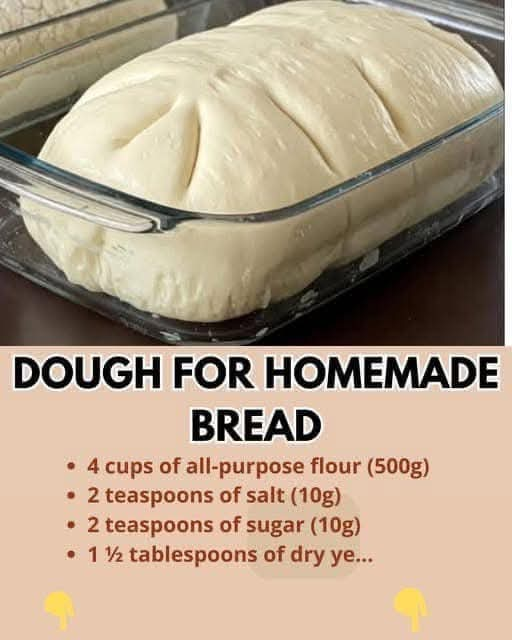
Introduction
Homemade bread has long been a staple in many households, offering a comforting and fragrant experience that store-bought loaves simply cannot match. Baking bread from scratch not only allows for control over ingredients but also gives you the satisfaction of creating something from the ground up. Whether you’re making a simple white loaf or experimenting with whole grains, homemade bread brings a sense of fulfillment and warmth to your kitchen.
Origin: Bread has been a part of human culture for thousands of years, with its origin tracing back to ancient civilizations such as the Egyptians, who are credited with developing the first forms of leavened bread. Over time, different cultures around the world adapted bread-making to suit their unique ingredients and tastes, creating a diverse array of bread types that reflect cultural and regional preferences.
Cultural Significance: Bread holds immense cultural significance across the globe. It has been a symbol of sustenance, unity, and tradition. In many societies, bread is considered a fundamental part of daily life and has deep religious, ceremonial, and celebratory connections. From the French baguette to the Italian ciabatta, each type of bread tells a story of heritage, craftsmanship, and community.
Ingredients and Quantities: For a basic homemade bread, you’ll need:
- 3 ½ cups of all-purpose flour (plus extra for dusting)
- 1 ½ teaspoons of salt
- 1 packet (2 ¼ teaspoons) of active dry yeast
- 1 tablespoon of sugar
- 1 ¼ cups of warm water (110°F)
- 2 tablespoons of olive oil (optional, for richness)
Optional Additions:
- 1 tablespoon of honey or maple syrup for a hint of sweetness
- 1 tablespoon of dried herbs like rosemary or thyme for added flavor
- ½ cup of whole wheat flour for a denser, more rustic texture
- Seeds (sunflower, sesame, or pumpkin) to sprinkle on top or incorporate into the dough
Tips for Success:
- Measure Ingredients Accurately: Be precise with your flour and water measurements to avoid overly dry or sticky dough.
- Activate the Yeast Properly: Ensure that your water is warm, not hot, to activate the yeast effectively. If the water is too hot, it could kill the yeast.
- Knead Well: Knead the dough for about 8-10 minutes to develop the gluten and create a smooth, elastic dough.
- Let the Dough Rise: Give your dough ample time to rise. This is essential for achieving a light, airy texture in the bread.
- Use a Sharp Knife: Score the top of the dough before baking to allow it to expand properly in the oven.
Instructions:
- Prepare the Yeast: In a small bowl, combine the warm water, sugar, and yeast. Stir gently and let it sit for 5-10 minutes until it becomes frothy.
- Mix the Dry Ingredients: In a large mixing bowl, combine the flour and salt. Make a well in the center.
- Combine Wet and Dry Ingredients: Pour the activated yeast mixture and olive oil (if using) into the well of the dry ingredients. Stir to combine until a dough begins to form.
- Knead the Dough: Transfer the dough to a lightly floured surface and knead for about 8-10 minutes, until smooth and elastic.
- First Rise: Place the dough in a greased bowl, cover with a damp towel, and let it rise in a warm place for 1-2 hours, or until it has doubled in size.
- Shape the Dough: Punch down the dough and shape it into a loaf or divide it into smaller rolls, depending on your preference.
- Second Rise: Place the shaped dough on a greased baking sheet, cover it, and let it rise for an additional 30-60 minutes.
- Bake: Preheat your oven to 375°F (190°C). Bake the bread for 25-30 minutes or until the crust is golden brown and the loaf sounds hollow when tapped on the bottom.
- Cool: Allow the bread to cool on a wire rack before slicing.
Description: This homemade bread has a beautiful golden-brown crust and a soft, airy interior. The scent of freshly baked bread will fill your home, creating a comforting and inviting atmosphere. It’s perfect for a morning breakfast, afternoon snack, or as an accompaniment to soups and salads. The versatility of homemade bread means it can easily be customized with herbs, spices, and other additions to suit your taste preferences.
Nutritional Information (per serving, based on 12 slices):
- Calories: 120
- Carbohydrates: 23g
- Protein: 3g
- Fat: 2g
- Fiber: 1g
- Sugar: 1g
- Sodium: 230mg
Conclusion: Making bread at home is an incredibly rewarding experience that connects you with a time-honored tradition. The simplicity of the ingredients combined with the natural processes of yeast and kneading creates something that is far more delicious than store-bought alternatives. Fresh, homemade bread is a perfect way to bring warmth and comfort to any meal.
Recommendation and Embracing Healthful
Indulgence: While bread can be a comfort food, it’s also important to embrace its healthful qualities when prepared at home. Using whole grain flours, incorporating seeds or nuts, and minimizing added sugar or fats can elevate homemade bread into a more nutritious option. Experimenting with different flours and ingredients allows you to make bread that suits your dietary preferences, whether you’re looking for a lighter option or a heartier, more filling bread.