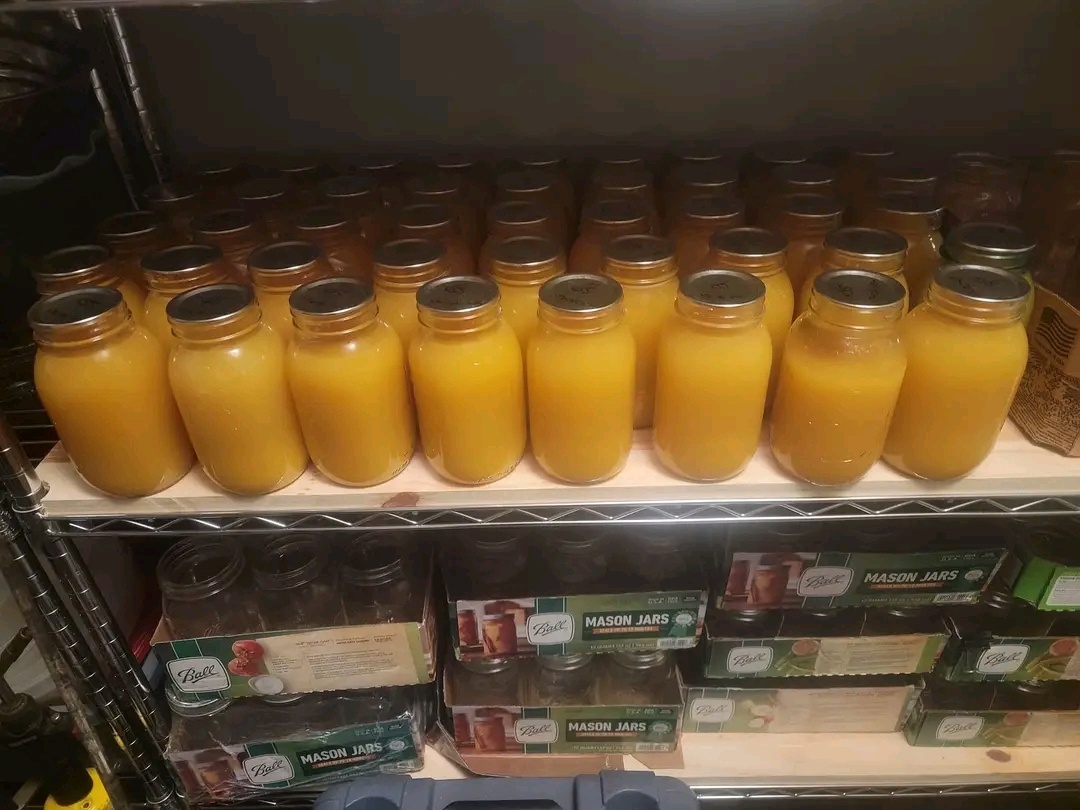
A Whole-Lemon Homemade Lemon Project
Introduction
With two large boxes of organic lemons, a little sugar, and some vodka, you can turn one generous haul of citrus into an impressive collection of homemade treats and pantry staples. From lemonade concentrate and lemon-infused water to candied lemon peels, lemon simple syrup, and limoncello, this project is a wonderful example of making the most of an ingredient from peel to juice to seeds.
Origin
Lemons have been cultivated for centuries across Asia and later became deeply established in Mediterranean cuisine. The tradition of preserving lemons, making syrups, candies, and liqueurs reflects the long-standing practice of using citrus in as many ways as possible rather than wasting valuable fruit.
Limoncello in particular is strongly associated with southern Italy, especially the Amalfi Coast, Sorrento, and the island of Capri, where fragrant lemon peels are traditionally infused in alcohol and combined with sweet syrup.
Cultural Significance
Lemons have an important place in Mediterranean food culture. They symbolize freshness, hospitality, and resourcefulness and appear in everything from beverages and desserts to sauces and preserves.
Making several products from the same lemons also reflects a traditional “use what you have” approach to cooking. Even the seeds can become the beginning of future lemon plants, making the project especially meaningful as a gardening and gift-giving activity.
Ingredients & Quantities
For a large-scale lemon project:
2 large boxes organic lemons
Approximately $5 worth of granulated sugar — exact quantity depends on the recipes being prepared
Approximately $25 worth of vodka for limoncello
Filtered water, as needed
Optional: fresh mint, basil, or berries for flavored lemon water
Optional: cinnamon, vanilla, or herbs for variations on lemon syrup
The exact yield will depend on the size and juiciness of the lemons and how much juice and zest each batch produces.
Optional Additions
Consider adding:
Fresh mint to lemon water
Fresh basil for a Mediterranean-inspired variation
Ginger for a spicy citrus drink
Vanilla bean to simple syrup
Berries for flavored lemonade
Sparkling water when serving lemonade
Rosemary or thyme for an herbal syrup
Decorative bottles or jars when giving homemade products as gifts
Tips for Success
Wash and scrub the lemons thoroughly before zesting or peeling them, especially when using the peel.
Use only the colored outer portion of the peel for limoncello; the white pith can make it unpleasantly bitter.
Process the lemons while they’re fresh for the best flavor and juice yield.
Keep juice, syrups, and infused products properly refrigerated or preserved according to the specific recipe.
Label every jar or bottle with its contents and preparation date.
When making limoncello, use a food-safe container and follow a tested recipe for the alcohol concentration, infusion time, and storage.
Don’t assume the projected yields will be exact—lemon size, variety, and juiciness can make a substantial difference.
For lemon seeds, remember that seedlings may not produce fruit identical to the parent lemon.
Instructions
1. Prepare the Lemons
Wash the lemons thoroughly and dry them. Separate the fruit according to what you plan to use for juice, peel, water, and other preparations.
2. Make Lemonade Concentrate
Juice the lemons and strain out seeds and excess pulp. Combine the juice with an appropriate amount of sugar to create a concentrated lemonade base. Portion and store according to a tested preservation method, or refrigerate if making a fresh concentrate.
3. Prepare Candied Lemon Peel
Remove the peel while avoiding as much white pith as possible. Blanch the peel, then simmer it gently in sugar syrup until tender and translucent. Allow it to dry before coating with additional sugar if desired.
4. Make Lemon Water
Slice or juice fresh lemons and combine them with chilled filtered water. Add mint, basil, cucumber, or berries for different variations. Keep refrigerated and prepare fresh batches regularly.
5. Prepare Lemon Simple Syrup
Combine sugar and water and gently heat until the sugar dissolves. Add lemon zest or juice according to your preferred recipe. Cool completely and refrigerate in a clean container.
6. Make Limoncello
Use fresh lemon zest and vodka in a properly sanitized, food-safe container. Infuse the zest according to a reliable limoncello recipe, then strain and combine with prepared sugar syrup. Allow the finished liqueur to rest before serving.
Important: Limoncello is an alcoholic beverage. Keep it clearly labeled and stored safely away from children.
7. Save the Seeds
Separate viable seeds from the lemon pulp, rinse them thoroughly, and allow them to dry appropriately before planting. Germination and fruiting times can vary considerably, and seedlings may take several years to produce fruit.
Description
This ambitious citrus project transforms a large lemon harvest into an entire collection of homemade creations. The bright acidity of fresh lemons works beautifully in refreshing drinks, sweet preserves, candies, syrups, and citrus liqueur. It also turns what might otherwise be discarded into useful ingredients and potential future plants.
Nutritional Information
Nutritional values vary dramatically because this project contains several different preparations.
Fresh lemon water: very low in calories when made without sugar
Lemon juice: provides vitamin C and natural citrus flavor
Lemonade concentrate: higher in carbohydrates because of the added sugar
Candied lemon peel: significantly higher in sugar
Lemon simple syrup: primarily sugar and water
Limoncello: contains alcohol and added sugar and should be enjoyed responsibly
Because these are separate preparations, nutritional information should be calculated individually rather than treating the entire project as one recipe.
Conclusion
This is much more than a lemonade project—it’s a creative way to make an abundant lemon harvest go a long way. With thoughtful preparation, the same lemons can become refreshing drinks, sweet treats, flavorful syrups, a traditional citrus liqueur, and even the beginning of a future garden.
Recommendation
If you’re attempting a project this large, organize it into separate batches rather than trying to prepare everything at once. Start by washing and sorting the lemons, then prioritize the products that use fresh juice and zest. Keep careful notes about quantities and yields so you can improve the process the next time you have a large citrus harvest.
Embracing Healthful Indulgence
The beauty of this project is balance. Fresh lemon water and unsweetened citrus preparations can be wonderfully refreshing, while candied peel, lemonade, and limoncello are best appreciated as occasional treats. Using the whole lemon thoughtfully encourages less food waste and makes each part of the harvest feel valuable.
A note on the original yield claims: “50 pints of concentrate,” “almost a gallon of limoncello,” and the other quantities are estimates, not guaranteed yields. The actual amounts will depend heavily on the size, variety, and juiciness of the lemons and the proportions used in each preparation.