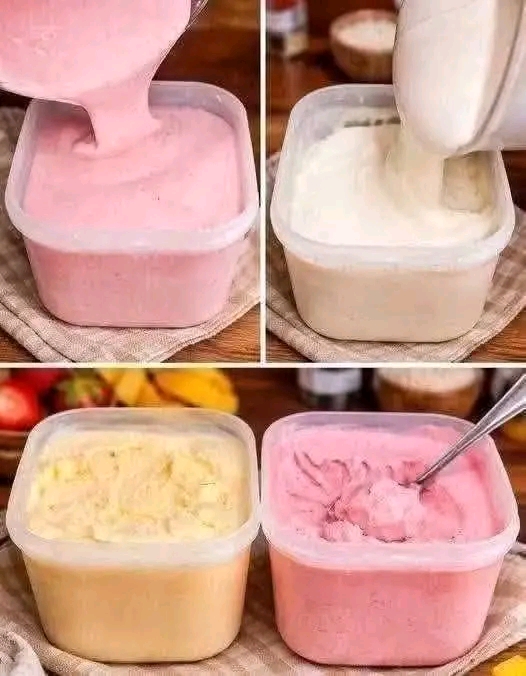
Zero-Carb Homemade Ice Cream
Introduction
This quick homemade ice cream is a creamy, refreshing treat designed for people looking for a very low-carbohydrate dessert. With only a few ingredients and no complicated equipment, it can be prepared quickly and customized with different flavors.
One important note: the phrase “zero carbs” and the claim that it “helps you dry out” should be treated cautiously. Most homemade ice creams are not literally carbohydrate-free, and a dessert cannot safely be considered something you can eat “as much as you like.” Portion size still matters.
Origin
Homemade ice cream has a long culinary history, developing from early frozen desserts made with milk, cream, sugar, and flavorings. Modern low-carb versions are adaptations created to reduce or replace traditional sugar while maintaining a creamy texture.
Cultural Significance
Ice cream is enjoyed around the world as a symbol of celebration, summer, family gatherings, and simple indulgence. Low-carb versions reflect a more recent interest in adapting familiar desserts to different dietary preferences without giving up the pleasure of a frozen treat.
Ingredients Quantity
Makes approximately 4 servings
2 cups heavy whipping cream
½ cup unsweetened almond milk
3–4 tablespoons powdered erythritol or another suitable granulated sugar substitute
1 teaspoon vanilla extract
Pinch of salt
Optional Additions
Unsweetened cocoa powder for chocolate ice cream
A few drops of almond or coconut extract
Unsweetened shredded coconut
Chopped sugar-free dark chocolate
Fresh berries in a small portion
Cinnamon
Instant espresso powder for a coffee flavor
A low-carb caramel or chocolate sauce
Tips for Success
Chill the cream and almond milk before mixing.
Use a sweetener that dissolves easily to avoid a gritty texture.
Taste the mixture before freezing and adjust the sweetness.
Do not overwhip the cream; stop when soft peaks form.
Allow the ice cream to sit at room temperature for 5–10 minutes before scooping if it becomes very firm.
Check your sweetener’s label because different products contain different amounts of carbohydrates and calories.
Instructions
1. Pour the chilled heavy cream into a large mixing bowl.
2. Whip until soft peaks begin to form.
3. Add the almond milk, sweetener, vanilla, and salt.
4. Gently mix until everything is thoroughly combined.
5. Taste and adjust the sweetness if desired.
6. Transfer the mixture to a freezer-safe container.
7. Cover tightly and freeze for approximately 3–4 hours, stirring once or twice during freezing for a smoother texture.
8. Let it soften for several minutes before serving.
9. Scoop into bowls and add your preferred low-carb toppings.
Description
The finished ice cream is smooth, creamy, lightly sweet, and refreshing, with a delicate vanilla flavor. Because it uses heavy cream rather than a traditional milk-and-sugar base, it has a rich texture that makes a small serving particularly satisfying.
Nutritional Information
Approximate values per serving, assuming four servings and using erythritol:
Calories: 400–430 kcal
Protein: 2–3 g
Total carbohydrates: approximately 4–6 g
Fiber: 0–1 g
Fat: approximately 43–46 g
Net carbohydrates: approximately 3–5 g
These numbers vary considerably depending on the brands and sweeteners used. It is not necessarily zero-carb.
Conclusion
This homemade low-carb ice cream is an easy way to enjoy a creamy frozen dessert while keeping added sugar low. It requires only a handful of ingredients and can be prepared without an ice-cream maker.
Recommendation
Enjoy it as a moderate dessert or occasional treat, rather than assuming that a low-carb recipe can be eaten without limits. Pairing a small scoop with fresh berries or a few chopped nuts can add flavor and texture without relying on large amounts of added sugar.
Embracing Healthful Indulgence
Healthful indulgence is about finding a satisfying balance rather than eliminating moderation. Choosing an unsweetened base and a suitable sugar substitute can reduce added sugar, but heavy cream remains calorie-dense.
And remember: “drying out” is not a desirable measure of health. If you mean reducing temporary water retention, hydration, balanced nutrition, and appropriate medical guidance are much safer approaches than trying to dehydrate yourself.