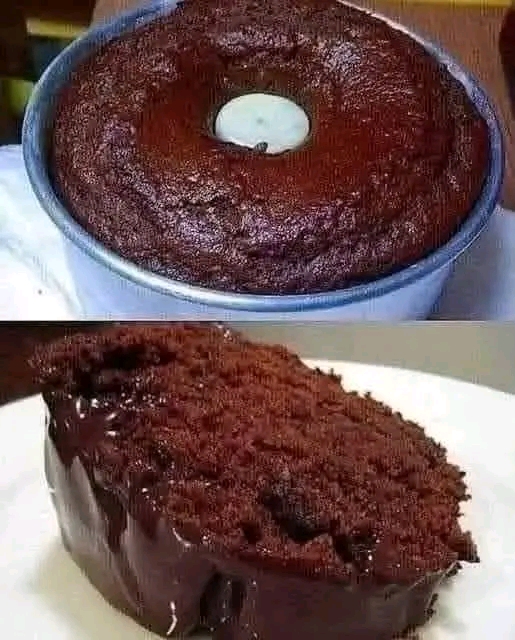
- Sugar-Free Diabetic-Friendly Cake
Introduction
This sugar-free diabetic-friendly cake is a simple, wholesome dessert that’s quick to prepare and wonderfully satisfying. Made without added sugar, it offers a moist, tender crumb and delicious flavor while being suitable for those looking to reduce their sugar intake. Whether enjoyed as a snack, breakfast treat, or light dessert, this cake is proof that healthier baking can still be incredibly delicious.
Origin
Sugar-free cakes have become increasingly popular as more people seek desserts that accommodate diabetes management or lower-sugar lifestyles. Home bakers around the world have adapted traditional cake recipes by using natural or diabetic-friendly sweeteners and nutrient-rich ingredients to create healthier alternatives.
Cultural Significance
Health-conscious baking has become an important part of modern home cooking. Recipes like this allow families and individuals with different dietary needs to enjoy homemade desserts together, making celebrations and everyday meals more inclusive without sacrificing flavor.
Ingredients
2 large eggs
1 cup (100 g) oat flour or finely ground rolled oats
½ cup (120 ml) plain Greek yogurt
¼ cup (60 ml) milk of choice
2 tablespoons granulated erythritol, monk fruit sweetener, or another heat-stable sugar substitute
1 teaspoon vanilla extract
1 teaspoon baking powder
½ teaspoon ground cinnamon (optional)
Pinch of salt
Optional Additions
Lemon or orange zest
Fresh blueberries or raspberries
Chopped walnuts or almonds
Unsweetened shredded coconut
Sugar-free dark chocolate chips
Chia or flax seeds
Unsweetened cocoa powder for a chocolate version
Tips for Success
Mix the batter just until combined to keep the cake light and tender.
Use a sweetener designed for baking to achieve the best texture.
Avoid overbaking, as sugar-free cakes can dry out more quickly.
Let the cake cool slightly before slicing for cleaner pieces.
Check for doneness with a toothpick inserted into the center—it should come out clean.
Instructions
1. Preheat the oven to 180°C (350°F) and lightly grease a small cake pan or line it with parchment paper.
2. In a bowl, whisk together the eggs, yogurt, milk, vanilla extract, and sweetener.
3. Add the oat flour, baking powder, cinnamon, and salt.
4. Stir until a smooth batter forms.
5. Fold in any optional ingredients if desired.
6. Pour the batter into the prepared pan.
7. Bake for 25–30 minutes, or until the top is lightly golden and a toothpick inserted into the center comes out clean.
8. Allow the cake to cool for 10 minutes before serving.
Description
This cake is soft, moist, and delicately sweet with a tender texture that practically melts in your mouth. Its mild flavor makes it perfect on its own or paired with fresh berries and a dollop of unsweetened Greek yogurt.
Nutritional Information
Approximate per serving (8 servings):
Calories: 110
Protein: 7 g
Carbohydrates: 11 g
Fiber: 2 g
Net Carbohydrates: 9 g
Fat: 4 g
Saturated Fat: 1.5 g
Sugar: 2 g (naturally occurring)
Sodium: 120 mg
Values are approximate and will vary depending on the ingredients and sweetener used.
Conclusion
This sugar-free cake is a delicious example of how simple ingredients can create a satisfying dessert without relying on added sugar. It’s easy to prepare, versatile, and suitable for anyone looking for a lighter homemade treat.
Recommendation
Enjoy a slice with coffee or tea, or serve it with fresh berries for added flavor and nutrition. Store leftovers in an airtight container in the refrigerator for up to four days, or freeze individual slices for convenient snacks.
Embracing Healthful Indulgence
Living a healthy lifestyle doesn’t mean giving up dessert. Choosing recipes made with whole-grain flours, protein-rich ingredients, and sugar substitutes can help you enjoy sweet treats while supporting balanced eating habits. If you have diabetes, it’s still important to monitor portion sizes and choose recipes that fit your individual meal plan, as even sugar-free desserts contain carbohydrates that can affect blood glucose levels.