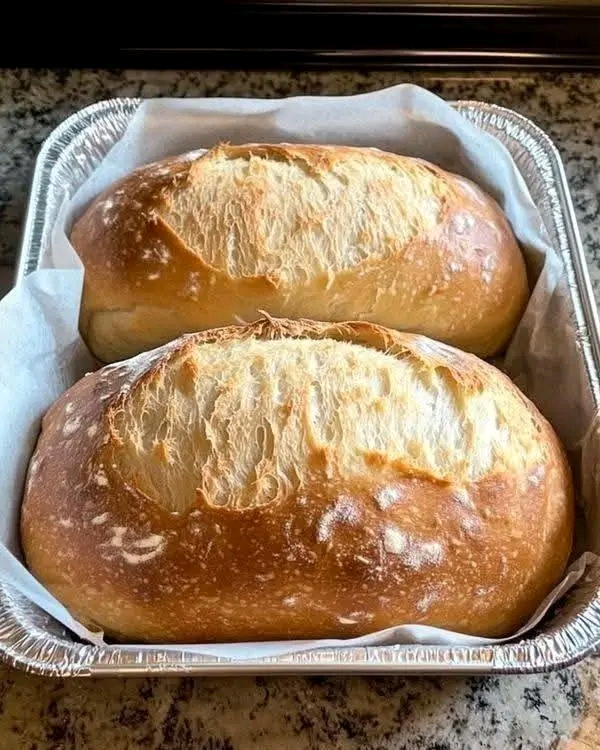
The Best Homemade Bread Recipe
Introduction
Few things compare to the comforting aroma of freshly baked bread straight from the oven. This homemade bread recipe creates a loaf that is soft, fluffy, and perfectly golden with a light, tender crumb and a crisp crust. Whether you’re making sandwiches, serving it alongside soup, or enjoying a warm slice with butter, this easy recipe delivers bakery-quality results using simple pantry ingredients.
Origin
Bread is one of the oldest prepared foods in human history, dating back thousands of years to ancient civilizations. Over time, nearly every culture has developed its own unique style of bread. This classic yeast loaf reflects traditional home baking methods while using modern techniques that make bread making simple and accessible for everyone.
Cultural Significance
Throughout history, bread has symbolized nourishment, hospitality, and community. Sharing freshly baked bread has long been a gesture of generosity and friendship, bringing families and friends together around the table. Homemade bread continues to represent comfort, tradition, and the satisfaction of creating something from scratch.
Ingredients
- 3½ cups (440g) bread flour or all-purpose flour
- 1¼ cups (300ml) warm water (105–110°F / 40–43°C)
- 2¼ teaspoons (1 packet) active dry yeast
- 2 tablespoons granulated sugar
- 1½ teaspoons salt
- 2 tablespoons vegetable oil or olive oil
Optional Additions
- 1 tablespoon melted butter for brushing after baking
- 1 teaspoon garlic powder
- 1 tablespoon Italian seasoning
- 2 tablespoons grated Parmesan cheese
- 1 tablespoon sesame seeds
- 1 tablespoon poppy seeds
- 2 tablespoons rolled oats for topping
- 1 teaspoon dried rosemary or thyme
- ½ teaspoon onion powder
Tips for Success
- Use fresh yeast for the best rise.
- Ensure the water is warm, not hot, to avoid killing the yeast.
- Add the flour gradually until a soft, slightly tacky dough forms.
- Knead the dough thoroughly until smooth and elastic.
- Let the dough rise in a warm, draft-free location.
- Avoid adding too much flour, which can make the bread dense.
- Score the top of the loaf before baking for an attractive finish.
- Cool completely before slicing to maintain a soft interior.
- This recipe doubles easily if you want to bake two loaves.
Instructions
- In a large bowl, combine the warm water, sugar, and yeast. Let stand for 5–10 minutes until the mixture becomes foamy.
- Stir in the oil and salt.
- Gradually add the flour, mixing until a soft dough forms.
- Transfer the dough to a lightly floured surface and knead for 8–10 minutes until smooth and elastic.
- Place the dough into a lightly greased bowl, turning once to coat.
- Cover with a clean towel or plastic wrap and let rise for about 1 hour, or until doubled in size.
- Gently punch down the dough to release excess air.
- Shape into a loaf and place in a greased 9×5-inch loaf pan, or shape into a round loaf and place on a parchment-lined baking sheet.
- Cover and allow the dough to rise again for 30–45 minutes.
- Preheat the oven to 375°F (190°C).
- If desired, lightly score the top of the loaf with a sharp knife.
- Bake for 30–35 minutes, or until the crust is deep golden brown and the loaf sounds hollow when tapped on the bottom.
- Brush the hot loaf with melted butter for a softer crust if desired.
- Cool on a wire rack for at least 30 minutes before slicing.
Description
This homemade bread has a beautifully crisp crust and a soft, airy interior with a rich, fresh-baked flavor. It slices easily and is sturdy enough for sandwiches while remaining tender enough to enjoy with butter, honey, or your favorite spread.
Nutritional Information (Approximate per slice, based on 12 slices)
- Calories: 165
- Protein: 5g
- Carbohydrates: 31g
- Fat: 3g
- Saturated Fat: 0.5g
- Cholesterol: 0mg
- Sodium: 290mg
- Fiber: 1g
- Sugar: 2g
Conclusion
This classic homemade bread recipe is simple enough for beginners yet satisfying for experienced bakers. With its soft texture, golden crust, and versatile flavor, it’s a dependable recipe you’ll find yourself making again and again.
Recommendation
Serve this bread warm with butter, jam, honey, olive oil, or your favorite spreads. It’s excellent for sandwiches, toast, French toast, grilled cheese, garlic bread, or alongside soups and stews. Leftover slices freeze beautifully, making it easy to enjoy homemade bread whenever you like.
Embracing Healthful Indulgence
Homemade bread is a wholesome way to enjoy fresh baking while controlling the quality of the ingredients. By preparing your own loaf, you can avoid many unnecessary preservatives and additives found in commercial breads. Enjoy each slice in moderation as part of a balanced diet filled with fruits, vegetables, lean proteins, and healthy fats, celebrating the simple pleasure of homemade food shared with those you love.
Introduction
Few things compare to the comforting aroma of freshly baked bread straight from the oven. This homemade bread recipe creates a loaf that is soft, fluffy, and perfectly golden with a light, tender crumb and a crisp crust. Whether you’re making sandwiches, serving it alongside soup, or enjoying a warm slice with butter, this easy recipe delivers bakery-quality results using simple pantry ingredients.
Origin
Bread is one of the oldest prepared foods in human history, dating back thousands of years to ancient civilizations. Over time, nearly every culture has developed its own unique style of bread. This classic yeast loaf reflects traditional home baking methods while using modern techniques that make bread making simple and accessible for everyone.
Cultural Significance
Throughout history, bread has symbolized nourishment, hospitality, and community. Sharing freshly baked bread has long been a gesture of generosity and friendship, bringing families and friends together around the table. Homemade bread continues to represent comfort, tradition, and the satisfaction of creating something from scratch.
Ingredients
3½ cups (440g) bread flour or all-purpose flour
1¼ cups (300ml) warm water (105–110°F / 40–43°C)
2¼ teaspoons (1 packet) active dry yeast
2 tablespoons granulated sugar
1½ teaspoons salt
2 tablespoons vegetable oil or olive oil
Optional Additions
1 tablespoon melted butter for brushing after baking
1 teaspoon garlic powder
1 tablespoon Italian seasoning
2 tablespoons grated Parmesan cheese
1 tablespoon sesame seeds
1 tablespoon poppy seeds
2 tablespoons rolled oats for topping
1 teaspoon dried rosemary or thyme
½ teaspoon onion powder
Tips for Success
Use fresh yeast for the best rise.
Ensure the water is warm, not hot, to avoid killing the yeast.
Add the flour gradually until a soft, slightly tacky dough forms.
Knead the dough thoroughly until smooth and elastic.
Let the dough rise in a warm, draft-free location.
Avoid adding too much flour, which can make the bread dense.
Score the top of the loaf before baking for an attractive finish.
Cool completely before slicing to maintain a soft interior.
This recipe doubles easily if you want to bake two loaves.
Instructions
1. In a large bowl, combine the warm water, sugar, and yeast. Let stand for 5–10 minutes until the mixture becomes foamy.
2. Stir in the oil and salt.
3. Gradually add the flour, mixing until a soft dough forms.
4. Transfer the dough to a lightly floured surface and knead for 8–10 minutes until smooth and elastic.
5. Place the dough into a lightly greased bowl, turning once to coat.
6. Cover with a clean towel or plastic wrap and let rise for about 1 hour, or until doubled in size.
7. Gently punch down the dough to release excess air.
8. Shape into a loaf and place in a greased 9×5-inch loaf pan, or shape into a round loaf and place on a parchment-lined baking sheet.
9. Cover and allow the dough to rise again for 30–45 minutes.
10. Preheat the oven to 375°F (190°C).
11. If desired, lightly score the top of the loaf with a sharp knife.
12. Bake for 30–35 minutes, or until the crust is deep golden brown and the loaf sounds hollow when tapped on the bottom.
13. Brush the hot loaf with melted butter for a softer crust if desired.
14. Cool on a wire rack for at least 30 minutes before slicing.
Description
This homemade bread has a beautifully crisp crust and a soft, airy interior with a rich, fresh-baked flavor. It slices easily and is sturdy enough for sandwiches while remaining tender enough to enjoy with butter, honey, or your favorite spread.
Nutritional Information (Approximate per slice, based on 12 slices)
Calories: 165
Protein: 5g
Carbohydrates: 31g
Fat: 3g
Saturated Fat: 0.5g
Cholesterol: 0mg
Sodium: 290mg
Fiber: 1g
Sugar: 2g
Conclusion
This classic homemade bread recipe is simple enough for beginners yet satisfying for experienced bakers. With its soft texture, golden crust, and versatile flavor, it’s a dependable recipe you’ll find yourself making again and again.
Recommendation
Serve this bread warm with butter, jam, honey, olive oil, or your favorite spreads. It’s excellent for sandwiches, toast, French toast, grilled cheese, garlic bread, or alongside soups and stews. Leftover slices freeze beautifully, making it easy to enjoy homemade bread whenever you like.
Embracing Healthful Indulgence
Homemade bread is a wholesome way to enjoy fresh baking while controlling the quality of the ingredients. By preparing your own loaf, you can avoid many unnecessary preservatives and additives found in commercial breads. Enjoy each slice in moderation as part of a balanced diet filled with fruits, vegetables, lean proteins, and healthy fats, celebrating the simple pleasure of homemade food shared with those you love.