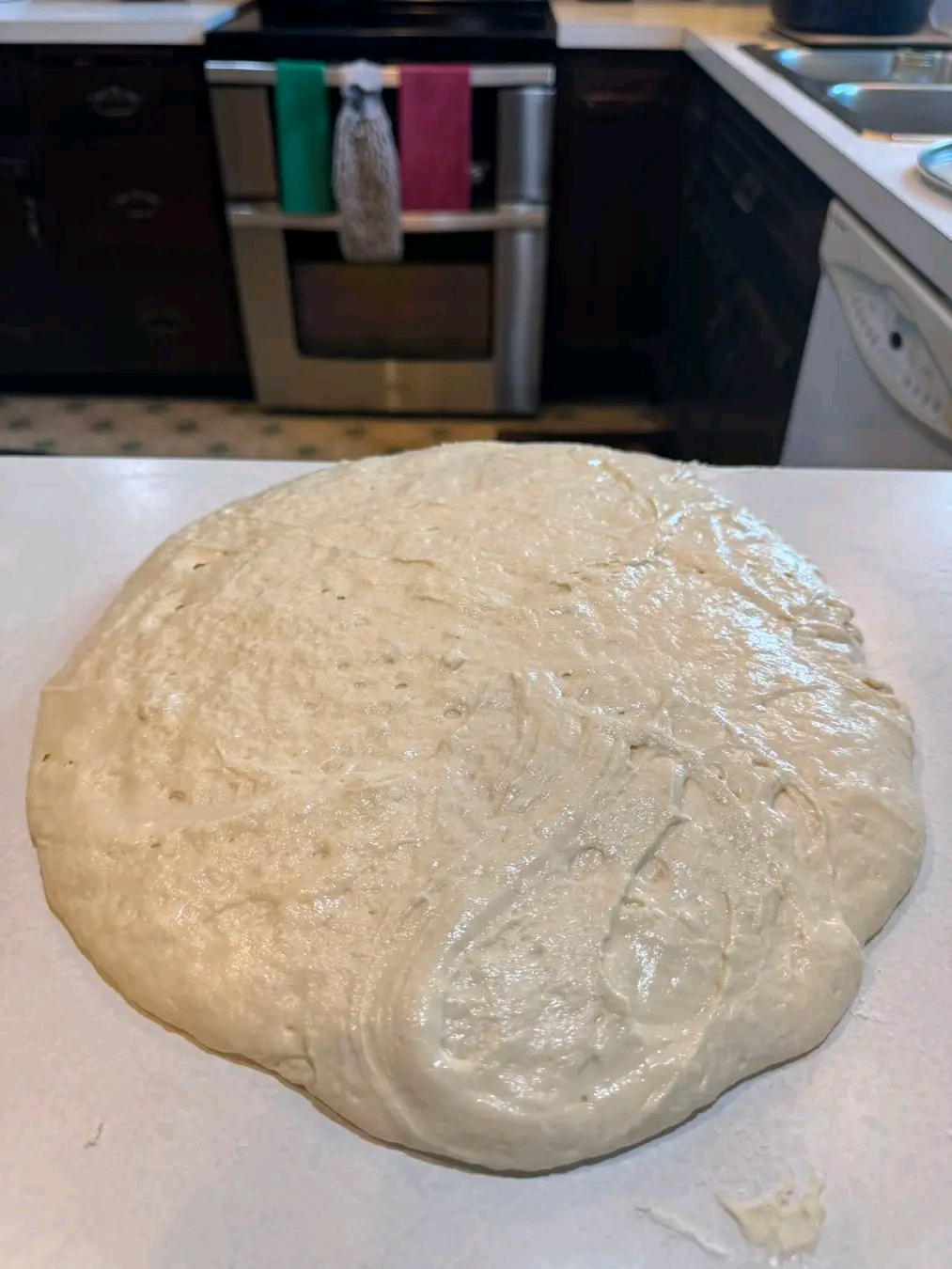
Over-Fermented Sourdough Dough Rescue Guide
Introduction
Every sourdough baker eventually experiences an over-fermented dough. It can happen when life gets busy and a dough is left to bulk ferment much longer than intended. While waking up to a dough that has collapsed and looks “flat as a pancake” can be discouraging, it doesn’t always mean it’s destined for the trash. In many cases, over-fermented dough can still be transformed into something delicious with a few adjustments.
Origin
Sourdough bread is one of humanity’s oldest forms of leavened bread, dating back thousands of years to ancient civilizations. Long before commercial yeast existed, wild yeast and naturally occurring bacteria fermented flour and water, creating flavorful loaves with unique textures. Understanding fermentation has always been part of mastering traditional sourdough baking.
Cultural Significance
Across cultures, sourdough represents patience, craftsmanship, and minimizing food waste. Experienced bakers often view baking mishaps as valuable learning opportunities rather than failures. Many traditional recipes—including flatbreads, focaccia, crackers, and pizza dough—were born from creatively using dough that wasn’t perfect for artisan loaves.
Ingredients Quantity
If you decide to rescue your dough, you’ll need:
1 batch over-fermented sourdough dough
1–2 tablespoons flour (for shaping, if needed)
Olive oil (if making focaccia)
Flaky sea salt
Fresh rosemary or herbs (optional)
Optional Additions
Garlic cloves
Cherry tomatoes
Caramelized onions
Parmesan cheese
Everything bagel seasoning
Sesame seeds
Fresh thyme or rosemary
Black pepper
Chili flakes
Tips for Success
Don’t try to reshape the dough aggressively if it has become very slack.
Perform the “poke test”—if the dough doesn’t spring back at all, it is likely over-proofed.
Instead of baking it as a traditional artisan loaf, consider making focaccia, pizza, or crackers.
If the dough still has some strength, gently shape it and bake immediately.
Refrigerating the dough for 30–60 minutes can make handling easier.
Avoid adding large amounts of fresh flour, which can create uneven texture.
Instructions
Option 1: Bake as Focaccia (Highly Recommended)
1. Generously oil a baking pan.
2. Gently transfer the dough into the pan.
3. Stretch it carefully to fit without forcing it.
4. Let it rest for 20–30 minutes if needed.
5. Dimple the surface with your fingertips.
6. Drizzle generously with olive oil.
7. Sprinkle with flaky salt and desired toppings.
8. Bake at 425°F (220°C) for 25–35 minutes until golden brown.
Option 2: Rustic Loaf
1. Chill the dough for about 30 minutes.
2. Gently shape with minimal handling.
3. Place into a banneton or bowl lined with a floured towel.
4. Bake immediately in a preheated Dutch oven.
5. Expect a lower rise but excellent flavor.
Option 3: Pizza Dough
1. Divide the dough into portions.
2. Shape gently into pizza rounds.
3. Add your favorite toppings.
4. Bake on a hot pizza stone or baking steel at the highest oven temperature.
Option 4: Sourdough Crackers
1. Roll the dough very thin.
2. Brush with olive oil.
3. Sprinkle with salt and herbs.
4. Bake until crisp and golden.
Description
An over-fermented sourdough often loses its structure because the gluten network weakens after excessive fermentation. Although it may no longer produce a tall, open-crumb artisan loaf, it still contains wonderful sourdough flavor and can be repurposed into several delicious baked goods with excellent results.
Nutritional Information
Approximate per serving (based on plain sourdough bread):
Calories: 160–180
Protein: 5–6 g
Carbohydrates: 33–36 g
Fat: 1–2 g
Fiber: 2–3 g
Sodium: Varies depending on salt used
Nutritional values will vary depending on ingredients and serving size.
Conclusion
A flat, over-fermented dough doesn’t necessarily belong in the trash. While it may not produce the lofty artisan loaf you envisioned, it still contains plenty of flavor and can become excellent focaccia, pizza, crackers, or even a rustic bread. Every sourdough mishap teaches something valuable about fermentation timing and dough behavior.
Recommendation
Based on your description—”flat as a pancake” after being left overnight—focaccia is your best option. This style embraces highly fermented, soft dough and often turns what seems like a failed loaf into an outstanding bake. If the dough still smells pleasantly tangy (not rotten or alcoholic to an extreme), it’s almost certainly worth baking rather than discarding.
Embracing Healthful Indulgence
Homemade sourdough is more than just bread—it’s a rewarding tradition that combines simple ingredients with natural fermentation. Even when things don’t go exactly as planned, adapting your dough into another recipe helps reduce food waste while creating something nourishing and satisfying. Every bake, successful or not, builds experience and confidence, making each future loaf even better.