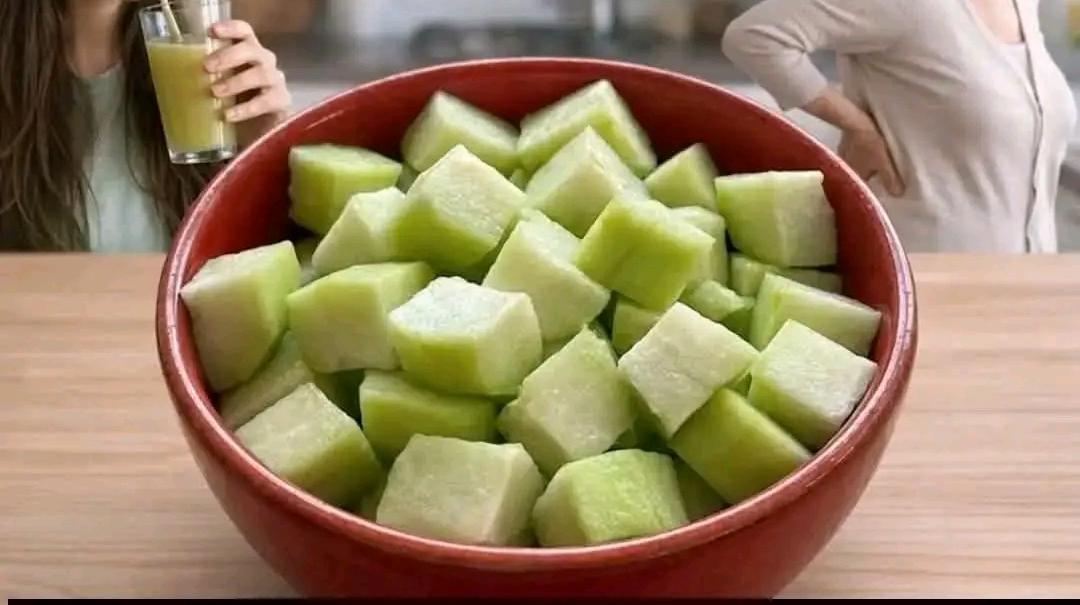
Chayote: A Nutritious Vegetable Recommended for Healthy Living
Introduction
Chayote is a versatile, mild-flavored vegetable that has gained popularity for its impressive nutritional profile and numerous culinary uses. Often praised by health-conscious individuals and traditional wellness practitioners, chayote is low in calories, rich in fiber, and packed with essential vitamins and minerals. Whether steamed, sautéed, roasted, or added to soups, this humble vegetable can be a valuable addition to a balanced diet.
Origin and Cultural Significance
Chayote originated in Mesoamerica, particularly in regions that are now Mexico and Central America. For centuries, it has been cultivated and enjoyed by indigenous communities. Over time, chayote spread throughout Asia, the Caribbean, South America, and other tropical regions, where it became an important ingredient in traditional cuisines.
In many cultures, chayote symbolizes resourcefulness because nearly every part of the plant—including the fruit, shoots, leaves, and roots—can be consumed. Its adaptability and nutritional value have made it a staple food in numerous households worldwide.
Ingredients Quantity
For a simple steamed chayote preparation:
2 medium chayotes
1 tablespoon olive oil or melted butter
¼ teaspoon salt
⅛ teaspoon black pepper
1 teaspoon lemon juice
Serves 2–4 people.
Optional Additions
2 cloves garlic, minced
Fresh parsley or cilantro
Grated Parmesan cheese
Red pepper flakes
Sliced onions
Cooked shrimp or chicken
Sesame seeds
Tips for Success
Choose firm, unblemished chayotes with smooth skin.
Wash thoroughly before peeling.
Wear gloves if desired, as peeling may release a sticky sap.
Avoid overcooking to preserve texture and nutrients.
Add seasonings after cooking for the freshest flavor.
Store unused chayote in the refrigerator for up to two weeks.
Instructions
1. Wash the chayotes thoroughly.
2. Peel and cut them in half.
3. Remove the central seed if desired.
4. Slice into cubes or thin strips.
5. Place in a steamer basket over boiling water.
6. Steam for 15–20 minutes, or until tender.
7. Transfer to a serving dish.
8. Drizzle with olive oil or melted butter.
9. Season with salt, pepper, and lemon juice.
10. Garnish with optional herbs and serve warm.
Description
Cooked chayote has a delicate flavor often compared to a blend of cucumber, zucchini, and mild squash. Its crisp yet tender texture makes it suitable for a variety of dishes. Because it readily absorbs seasonings, chayote pairs well with herbs, spices, meats, and other vegetables.
Nutritional Information
Approximate values per serving:
Calories: 35–50
Protein: 1–2 g
Fat: 3–5 g (depending on added oil)
Carbohydrates: 6–8 g
Fiber: 2–3 g
Vitamin C: High
Folate: Good source
Potassium: Moderate amount
Sodium: Varies with seasoning
Nutritional values may vary depending on serving size and preparation method.
Conclusion
Chayote is an affordable, nutritious, and versatile vegetable that deserves a place in more kitchens. Its mild taste, easy preparation, and valuable nutrient content make it an excellent choice for individuals seeking wholesome and flavorful foods.
Recommendation
Include chayote in soups, stews, stir-fries, salads, and side dishes for added variety and nutrition. Pair it with lean proteins and fresh herbs to create balanced, satisfying meals suitable for everyday enjoyment.
Embracing Healthful Indulgence
Healthy eating is often about discovering simple foods that provide both nourishment and enjoyment. Chayote exemplifies this principle with its refreshing flavor, versatility, and impressive nutritional benefits. By incorporating more vegetables like chayote into your meals, you can embrace a lifestyle that celebrates both wellness and delicious eating.
To continue receiving my recipes and healthy living tips, simply leave a comment, say hello, or share your favorite vegetable dish. Thank you for your support!