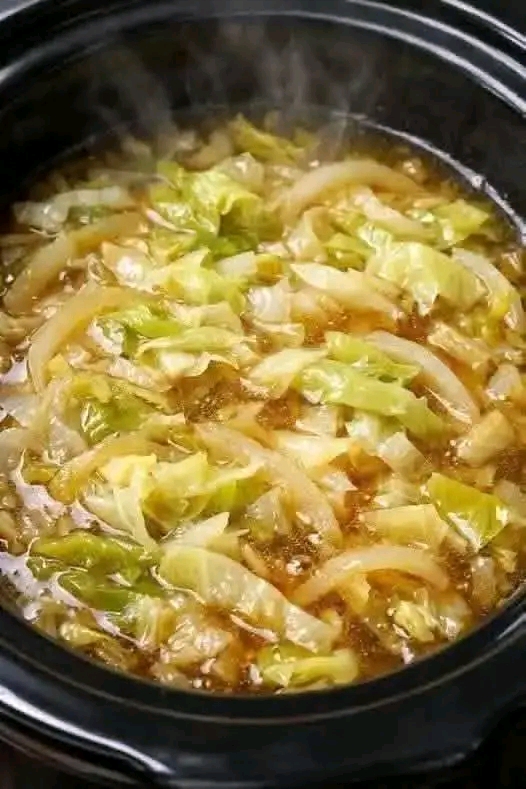
There’s nothing quite like a plate of homemade stuffed cabbage rolls. This timeless dish is a true global comfort food, wrapping a savory, hearty filling in tender cabbage leaves and slowly simmering it all in a rich sauce. I’ll guide you through the entire process, from its fascinating history to the step-by-step cooking method, and share why this dish has been cherished across cultures for centuries. Let’s get started!
✨ A Journey Through Time: The History of Cabbage Rolls
The exact origin is a mystery likely lost to time, but the story of the cabbage roll is a true testament to how food connects us across the globe.
· Ancient Roots: The concept of stuffing leaves likely began in the ancient Middle East with dishes like dolma, where grape leaves were filled with rice and meat.
· A Journey to Europe: As trade routes flourished, the idea spread west into Eastern Europe. Cabbage, being hardy and affordable, became the perfect substitute for grape leaves, giving birth to the version we know and love today.
· Around the World: The dish continued to evolve. Jewish communities have enjoyed a version for some 2,000 years, Swedish King Charles XII is said to have brought a recipe back from the Ottoman Empire in the 1700s, and the dish even appeared in Japanese households in the late 19th century.
· A World of Names: Every culture has its own cherished name for this dish:
· Poland: Gołąbki
· Ukraine: Holubtsi
· Sweden: Kåldolmar
· Romania: Sarmale
· Jewish Cuisine: Holishkes
🧠 Anatomy of a Cabbage Roll: The Formation
A cabbage roll is beautifully simple in its concept, yet the variations are endless.
· The Wrapper: The outer leaves of a green cabbage head are softened (or blanched) in boiling water until they are flexible enough to roll without tearing.
· The Filling: At its heart, the filling is a mixture of protein and a grain. The most classic combination is ground meat (beef, pork, or a mix) and rice. For a vegetarian version, the meat is often swapped for lentils, quinoa, or mushrooms.
· The Sauce: The rolls are traditionally nestled in a flavorful liquid, most often a tomato-based sauce, which keeps them moist and infuses them with flavor as they bake. In Sweden, it’s served with a sweet-tart lingonberry jam.
· The Roll: This is the fun part! A portion of filling is placed on a softened cabbage leaf, the sides are folded in, and it’s rolled into a neat little parcel.
🛒 Ingredients for a Classic Recipe
This recipe will focus on a timeless Polish-style (gołąbki) version, with a few optional variations.
For the Cabbage:
· 1 large head of green cabbage
· (Optional) Reserved cabbage leaves for layering
For the Filling:
· 1 lb ground beef
· 1/2 lb ground pork
· 1 cup cooked white rice
· 1 medium onion, finely diced
· 2 cloves garlic, minced
· 1 large egg, beaten
· Salt and black pepper to taste
For the Sauce:
· 1 (15 oz) can tomato sauce
· 1 (14.5 oz) can diced tomatoes
· (Optional) Fresh herbs: 1/4 cup fresh dill or parsley
Optional Variations:
· Low-Carb: Replace rice with finely chopped cauliflower
· Vegan: Replace meat with 1 cup cooked lentils or mushrooms
· Spicy: Add a pinch of red pepper flakes to the filling
📝 Step-by-Step Cooking Instructions & Methods
There are several ways to cook cabbage rolls—baking is a classic, hands-off method, but you can also simmer them gently on the stovetop.
Preparation:
1. Boil the cabbage: Bring a large pot of salted water to a boil. Cut out the cabbage’s core, then carefully place the whole head into the water. Boil for 5-10 minutes until the outer leaves are soft and pliable.
2. Remove and cool: Use two forks to lift the cabbage out of the water and place it on a cutting board to cool. Once cool, carefully peel away the soft leaves. If the inner leaves are still too stiff, return the cabbage to the water for a few more minutes.
Assembly:
1. Make the filling: In a large bowl, combine the ground beef, ground pork, cooked rice, diced onion, minced garlic, beaten egg, salt, and pepper until well mixed.
2. Assemble the rolls: Lay a cabbage leaf flat on a clean surface. Place about 1/4 cup of the filling in the center. Fold the sides inward and then roll it up tightly, placing the roll seam-side down in a large baking dish.
Cooking (Baking Method):
1. Prepare the sauce: In a separate bowl, stir together the tomato sauce and diced tomatoes.
2. Layer and cover: Pour the sauce evenly over the cabbage rolls. Cover the dish tightly with a lid or aluminum foil to trap steam.
3. Bake: Bake in a preheated oven at 350°F (175°C) for about 1.5 hours, or until the rolls are tender and cooked through.
Alternative Cooking Method:
· Slow Cooker: Layer the cabbage rolls in your slow cooker, cover them with the tomato sauce, and cook on low for 6-8 hours for incredibly tender, no-fuss results.
📊 Nutrition Information
Cabbage rolls are not just delicious; they’re also packed with health benefits. This table breaks down the key nutritional highlights from a standard serving:
Nutrient Amount per Cup (approx.) Key Benefits
Calories ~25-30 kcal Low in calories, great for weight management
Fiber ~2.2g Promotes healthy digestion and helps you feel full
Vitamin C ~40mg A powerful antioxidant that boosts immune health
Vitamin K ~59mcg Essential for bone health and blood clotting
Folate (B9) Supports nervous system & energy metabolism Crucial for cell growth and preventing birth defects
Antioxidants Polyphenols, Anthocyanins Help fight inflammation and reduce the risk of chronic diseases
❤️ Why Everyone Loves Cabbage Rolls
This dish is truly a labor of love, and that’s precisely why it’s so beloved:
· Ultimate Comfort Food: It’s the warm, savory, homey dish that evokes cherished memories of family dinners and holiday celebrations.
· Deep Cultural Roots: For many, especially in Central and Eastern Europe, it’s a source of immense cultural pride, connecting them to their heritage.
· Endlessly Adaptable: It’s a dish that invites everyone to the table. There’s a version for meat-lovers, vegetarians, vegans, and those following low-carb or gluten-free diets.
· A Social Dish: Making and sharing cabbage rolls is often a communal activity, bringing family and friends together.
🍀 Benefits Beyond the Plate
· Budget-Friendly: Cabbage is one of the most affordable vegetables, making this a very economical meal for feeding a crowd.
· Made for Meal Prep: Cabbage rolls freeze and reheat beautifully, so making a double batch means you’ll have delicious, homemade meals ready to go.
· Rich in Antioxidants: Combined with the lycopene from the tomato sauce, this dish is a powerful ally in fighting inflammation and reducing the risk of certain cancers.
· Supports Heart Health: The fiber and plant sterols in cabbage help manage cholesterol, while the potassium helps balance blood pressure.
✨ Conclusion
Making cabbage rolls is a beautiful journey that connects us to centuries of culinary history. It’s a heartwarming process that fills your home with an incredible aroma, culminating in a dish that tastes even better than you remember. While it requires a bit of time and patience, the end result—a platter of lovingly prepared, flavorful, and nutritious rolls—is one of the most rewarding meals you can create. Whether you follow a traditional path or add your own twist, you’re not just cooking dinner; you’re keeping a delicious global tradition alive.
Enjoy this timeless classic with those you love, and savor every single bite!
I hope this guide helps you create a truly memorable meal. Did you have a specific cultural variation in mind, or any dietary needs for the recipe?