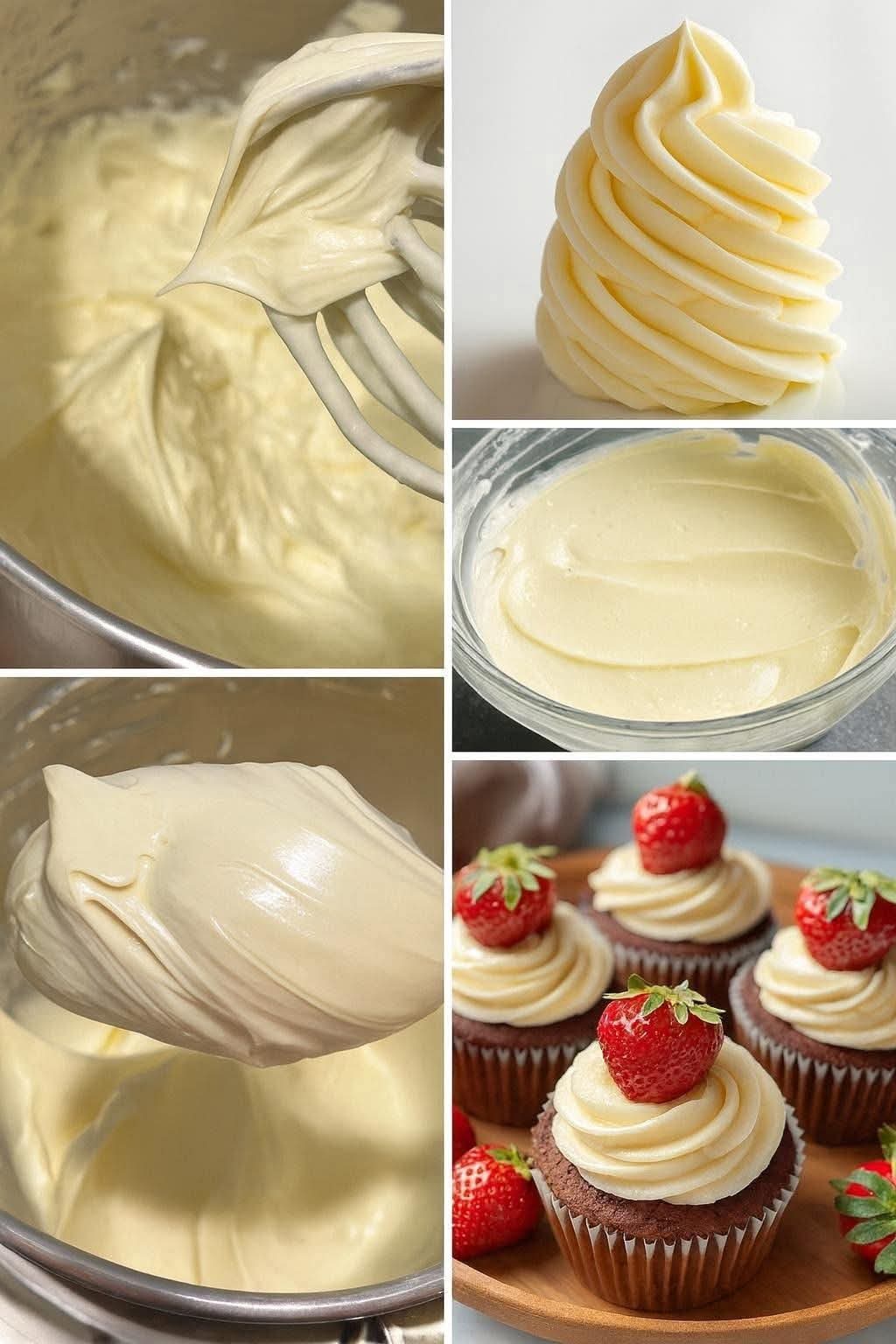
Here is a comprehensive guide to homemade cheese, covering everything from its ancient history to the step-by-step process of making it in your own kitchen.
The Art and Science of Homemade Cheese
Making cheese at home is a journey that connects you to thousands of years of culinary tradition. Once a necessity for preserving milk, it has evolved into a rewarding craft practiced by modern homesteaders and food lovers alike . The process is a beautiful blend of art and science, where a few simple ingredients—milk, a starter, and a coagulant—are transformed through time and care into a myriad of flavors and textures.
This guide will focus on making a simple, delicious Farmer’s Cheese (also known as Paneer or Queso Fresco). It’s the perfect cheese for beginners, requiring no special equipment like a cheese press and delivering delightful results in under an hour.
The History of Cheesemaking
The discovery of cheese was likely a happy accident. Over 7,000 years ago, ancient peoples stored milk in containers made from animal stomachs. The combination of natural rennet from the stomach, heat from the sun, and naturally present bacteria caused the milk to separate into curds and whey . What resulted was a fresh, tasty curd that satisfied hunger far longer than milk alone.
From its origins in the Middle East and Asia, cheesemaking spread throughout the Roman Empire. The Romans perfected many techniques and introduced cheeses to the rest of Europe . During the Middle Ages, monks in monasteries across Europe became expert cheesemakers, developing the recipes for many of the classic cheeses we know today, such as Brie, Roquefort, and Parmesan . For centuries, cheese was a local farm product, with every region developing its own unique wheel. It wasn’t until the 19th century, with advances in science and pasteurization, that cheese became an industrial product, and the craft of home cheesemaking became less common .
Benefits of Homemade Cheese
Why make cheese at home? The benefits are compelling:
· Superior Flavor and Freshness: Nothing compares to the taste of cheese that was a liquid an hour ago. It has a clean, milky sweetness that store-bought versions can’t match .
· Control Over Ingredients: You know exactly what’s in it: milk, a starter, and salt. No preservatives, no fillers, no artificial colors or excess sodium .
· Nutritional Value: Fresh cheese is packed with high-quality protein, essential amino acids, calcium, and other vital nutrients that support strong bones and overall health .
· Cost-Effective: It is significantly cheaper to make a pound of fresh cheese at home than to buy many artisan-style fresh cheeses at the store.
· A Rewarding Experience: There’s a deep sense of satisfaction in transforming a gallon of milk into a beautiful, delicious wheel of cheese with your own two hands .
The Formation of Cheese: How Milk Becomes Cheese
The science is simple but magical. Milk is mostly water, fat, and a protein called casein. Cheesemaking is the controlled process of separating the solid curds (fat and casein) from the liquid whey. Here’s how it happens:
1. Acidification: A starter culture (like buttermilk or a spoonful of yogurt) or a direct acid (like lemon juice or vinegar) is added to the milk. This lowers the milk’s pH, which is the first step in helping the casein proteins unfold and link together.
2. Coagulation: A coagulant, most commonly rennet (an enzyme), is added. It acts like glue, causing the linked casein proteins to form a solid, wobbly gel, similar to a very soft pudding .
3. Cutting and Cooking: This gel is cut into small cubes. Cutting exposes more surface area, allowing the whey to seep out. The curds are then gently heated, which makes them contract and squeeze out even more whey.
4. Pressing and Salting: The curds are drained in a colander lined with cheesecloth. For harder cheeses, they are then pressed under a weight to expel remaining whey. Finally, salt is added for flavor, to draw out more whey, and to act as a preservative .
The Ultimate Guide to Making Simple Homemade Cheese
This recipe requires basic kitchen tools. If you don’t have a cheesecloth, a clean, thin dish towel or a few layers of paper towels will work in a pinch.
Yields: Approximately 300g (10oz) of fresh cheese .
Prep time: 5 minutes
Cook time: 20 minutes
Drain time: 30 minutes – 2 hours
Ingredients
· 4 cups (1 liter) Whole Milk: Do not use ultra-pasteurized (UHT) milk. The high heat treatment damages the proteins, and they will struggle to form a proper curd. Look for pasteurized or low-temperature pasteurized milk for the best results.
· 1/4 cup (60 ml) White Vinegar or Fresh Lemon Juice: This is your acid. White vinegar is neutral, while lemon juice will give the cheese a subtle citrus note .
· 1/2 teaspoon Salt, or to taste: Flaky sea salt or kosher salt is best. You can also add herbs like chives, dill, or garlic powder at this stage .
Equipment Needed
· A large, heavy-bottomed pot (stainless steel or enameled)
· A long-handled spoon or spatula
· A cooking thermometer
· A colander
· Cheesecloth (or a clean, thin dish towel)
· A bowl to catch the whey
Methods: Step-by-Step Instructions
1. Prepare your station: Line your colander with 2-3 layers of cheesecloth and place it in your sink or over a large bowl to catch the whey.
2. Heat the milk: Pour the milk into your pot and add the salt. Place it over medium heat. Stir it occasionally to prevent the milk from scorching on the bottom. Heat the milk until it reaches 185-190°F (85-88°C) or just until you see small bubbles forming at the edge. Do not let it come to a full boil .
3. Add the acid: Remove the pot from the heat. Slowly pour in your vinegar or lemon juice while gently stirring the milk in one direction. You will see the milk almost immediately separate into clumps of white curds and a cloudy, greenish-yellow liquid (the whey).
4. Let it rest: Stop stirring and let the pot sit undisturbed for 5-10 minutes. This allows the curds to fully form and stabilize.
5. Drain the curds: Carefully pour the entire contents of the pot into your prepared colander. The whey will drain away, leaving the curds in the cheesecloth.
6. Press the cheese: Gather the corners of the cheesecloth and tie them into a bundle. You can simply let it hang over your sink to drip. For a firmer cheese that can be sliced, place the bundle back in the colander, put a small plate or saucer on top of it, and weigh it down with a heavy can or a jar filled with water. Let it press for at least 30 minutes, or up to 2 hours for a drier, “queso fresco”-like texture .
7. Finish and serve: After pressing, unwrap your fresh cheese and transfer it to a bowl. If you didn’t add herbs earlier, you can stir them in now. Your homemade cheese is ready to eat immediately!
Nutrition (per 100g serving, approximate)
As this is fresh cheese, the nutritional profile is similar to ricotta or cottage cheese. Nutrition is based on whole milk.
Nutrient Amount (approx.)
Calories 170-200 kcal
Protein 12-14g
Fat 10-12g
Carbohydrates 3-5g
Calcium 15-20% RDI
While delicious on its own, this cheese is highly versatile. Enjoy it spread on a bagel, crumbled over a salad, stuffed into pasta like ravioli, or used as a filling for pastries. Another fantastic way to enjoy it is in a sweet preparation: stir the fresh cheese until smooth, then top it with a drizzle of honey, a sprinkle of crushed nuts, and some fresh berries for a delightful and easy dessert .
Who Loves This Cheese?
First-time cheesemakers love this recipe for its simplicity and near-instant gratification . Modern homesteaders incorporate it into their self-sufficient lifestyle. Parents appreciate it as a healthy, low-sodium snack for their kids. Finally, those who love to cook love having this creamy, versatile ingredient on hand to elevate everyday meals.
Conclusion
Making cheese at home is a simple, rewarding, and delicious way to connect with an ancient craft. Starting with this easy farmer’s cheese recipe gives you a delicious product and the confidence to explore more complex varieties like Mozzarella or Ricotta. So, grab a gallon of milk and a lemon—it’s time to make cheese
Enjoy your homemade creation 🧀