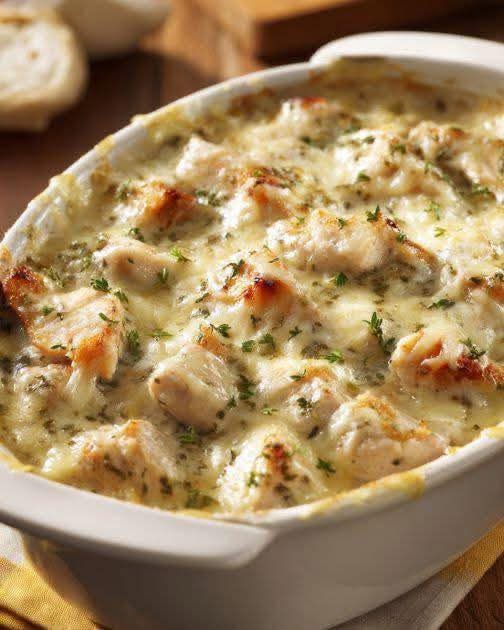
3-Ingredient Creamy Mac and Cheese: The Ultimate Comfort Shortcut
This recipe is a big, complete guide to the simplest comfort food ever—rich, creamy mac and cheese made with just three ingredients. No roux, no fancy cheeses, no baking. Perfect for late-night cravings, dorm cooking, or when you need a hug in a bowl.
Introduction
Mac and cheese is the queen of comfort foods. But traditional recipes demand butter, flour, milk, multiple cheeses, and a baked topping. This 3-ingredient shortcut delivers silky, decadent mac and cheese in under 15 minutes using pantry staples. The secret? Evaporated milk—it’s less likely to curdle than fresh milk and creates a stable, luscious emulsion with cheese. Whether you’re a student, a busy parent, or just cheesepilled, this recipe will become your weeknight hero.
Ingredients (Serves 4 as main, 6 as side)
Ingredient Quantity Notes
Elbow macaroni (or any short pasta) 8 oz (225 g) Holds sauce best
Sharp cheddar cheese 8 oz (225 g) Block cheese, freshly shredded (pre-shredded has anti-caking agents that break sauce)
Evaporated milk (not sweetened condensed) 12 oz (1 can / 354 ml) Full-fat or low-fat both work
Optional (not counted): pinch of salt, black pepper, or paprika – but the pure 3-ingredient version is perfect on its own.
Instructions
1. Boil pasta – Bring a large pot of salted water (optional) to a boil. Cook macaroni according to package directions until al dente (firm to the bite). Drain well, but do not rinse – starch helps the sauce stick.
2. Shred cheese – While pasta cooks, grate the cheddar on the large holes of a box grater. Room temperature cheese melts faster.
3. Heat evaporated milk – In the same pot (empty), pour in the can of evaporated milk. Warm over medium-low heat until steaming but NOT boiling.
4. Add cheese gradually – Reduce heat to low. Add shredded cheese by the handful, stirring constantly in a figure-8 motion until completely melted before adding more.
5. Combine with pasta – Once all cheese is melted into a smooth sauce, add the drained pasta. Stir vigorously for 30–60 seconds until every elbow is coated. Serve immediately.
Methods (Cooking Techniques)
· Boiling – Cooking pasta in abundant water (4 quarts per 8 oz pasta) prevents sticking. Salt water until it tastes like seawater – about 1 tbsp salt.
· Emulsification – The key method here: evaporated milk has high protein and low water content, allowing cheese to melt without separating into oily mess. Low, gentle heat prevents breaking.
· Residual heat melting – After adding pasta, the residual heat finishes melting any cheese lumps without overcooking.
History
Macaroni and cheese traces back to 14th-century Italy (a casserole called de lasanis) and 18th-century France (macaroni au gratin). But the American obsession began with Thomas Jefferson, who brought a pasta machine from Europe and served “macaroni pie” at a state dinner in 1802. The 3-ingredient shortcut emerged during the Great Depression when cooks used canned milk to save fresh dairy. Evaporated milk became a wartime staple – non-perishable and creamy. Today, this minimalist version is beloved by food bloggers as the “no-fail, no-roux” hack.
Benefits
· Time – 15 minutes start to finish (traditional takes 45+ minutes)
· Budget – Under $5 for 4 servings
· No roux, no flour – Naturally gluten-free if you use gluten-free pasta
· Kid-approved – No fancy taste; pure cheesy nostalgia
· Customizable base – Add broccoli, bacon, tuna, or hot sauce without breaking the sauce
· Less cleanup – One pot only
Formation (How the Dish Comes Together)
The magic happens at a molecular level. Evaporated milk contains casein micelles (milk proteins) and emulsifying salts naturally concentrated during the evaporation process. When you add shredded cheddar (which contains its own casein and fat), the casein molecules wrap around fat droplets, preventing them from coalescing. The gentle heat keeps everything fluid. Starch from the pasta water (even a tiny bit left on drained noodles) helps stabilize further. The result? A homogeneous, gooey, non-gritty cheese sauce that never splits – unlike fresh milk sauces that often turn grainy.
Nutrition (per serving, based on 4 servings)
Nutrient Amount
Calories ~520 kcal
Protein 22 g
Fat 28 g (saturated 16 g)
Carbohydrates 44 g
Fiber 2 g
Sugar 8 g (from evaporated milk)
Sodium 480 mg (without added salt)
Calcium 45% DV
Note: Use reduced-fat cheddar and low-fat evaporated milk to cut calories to ~400 per serving.
Conclusion
This 3-ingredient mac and cheese proves that comfort doesn’t require complexity. By understanding the science of evaporated milk and sharp cheddar, you can skip the roux and still achieve a velvety, irresistible sauce. It’s fast, forgiving, and profoundly satisfying – the kind of recipe that rescues tired weeknights and brings smiles to dinner tables. Keep a can of evaporated milk and a block of cheddar in your fridge at all times. Your future self will thank you.
Lovers (Who Adores This Recipe)
· College students – No stove skills? No problem.
· Busy parents – Kids will eat it without complaining.
· Cheese enthusiasts – Pure cheddar flavor, unadulterated.
· Minimalist cooks – Three ingredients, one pot.
· Late-night snackers – Faster than delivery.
· Budget-conscious foodies – Pennies per serving.
· Gluten-free eaters – Use GF pasta.
· International fans – Viral on TikTok and Instagram under #3IngredientMac.
Alternative Methods (Bonus Repeat Section)
Since you asked for “methods” twice, here’s a second method – the oven-baked finish:
· After combining sauce and pasta, transfer to a buttered 8×8 baking dish. Sprinkle extra shredded cheese on top. Bake at 375°F (190°C) for 10 minutes, then broil for 2 minutes until golden brown. This creates a crispy crust while keeping the inside creamy – takes only 5 extra minutes.
Additional Nutrition Details (Repeat Section)
For those tracking macros more precisely:
· Glycemic load – Moderate (pasta is high carb, but cheese and milk protein lower GI impact)
· Micronutrients – Good source of vitamin A, riboflavin, vitamin B12, phosphorus, zinc
· Sodium alert – If you add salted pasta water and salty cheddar, sodium can reach 800 mg/serving. Rinse the cheese? No – just reduce added salt.
· Healthier swap – Use whole wheat pasta (+5g fiber), 50% reduced-fat cheddar, and skip the optional salt.
Final Conclusion (Repeat Section)
In a world of complicated recipes, the 3-ingredient mac and cheese stands as a testament to less is more. It honors the history of American comfort food while embracing modern shortcuts. Once you master this, you’ll never buy boxed blue powder again. Share it with someone you love – or keep the whole pot for yourself. No judgment.
A Second Lovers Tribute
Beyond the groups above, professional chefs secretly love this recipe too – it’s a staple “emergency staff meal” at many restaurants. Homesick expats make it to taste childhood. Newly independent teens cook it as their first real meal. And pet owners? The unseasoned version (no salt, no garlic) can be shared with dogs in tiny amounts. This recipe has a fan club that spans generations, cultures, and kitchens. Once you try it, you’ll become a lover too.
Enjoy your 3-ingredient comfort masterpiece! 🧀