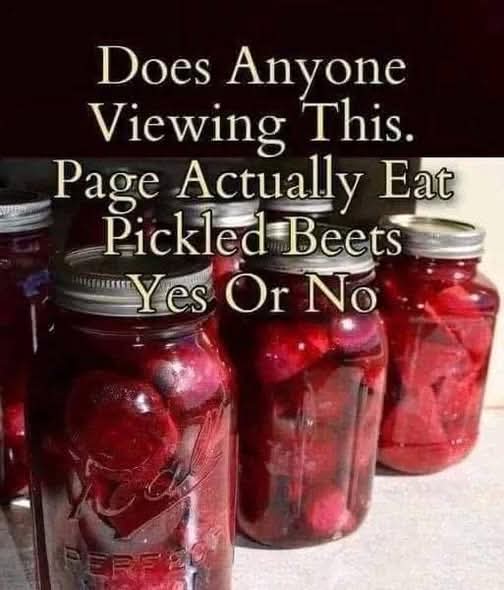
The Ultimate Guide to Pickled Beets: A Tangy, Sweet, and Vibrant Delight
Introduction
Pickled beets are a beloved preserved vegetable that combines the earthy sweetness of fresh beets with the sharp tang of vinegar and the warmth of aromatic spices. This deep crimson condiment has graced tables for centuries, appearing in Eastern European borscht sides, American diner salads, and German Sunday suppers. The pickling process not only extends the shelf life of beets but also transforms their flavor and texture, making them a versatile accompaniment to roasted meats, creamy cheeses, and hearty sandwiches. In this comprehensive guide, you’ll learn a classic pickled beets recipe, explore its rich history, uncover its surprising health benefits, and discover why millions of food lovers around the world can’t resist this jewel-toned treasure.
Ingredients
Makes approximately 4–6 servings
· 8 medium fresh beets (about 2 pounds / 900 g) – choose firm, smooth-skinned beets with fresh leaves if possible
· 1 cup (240 ml) white vinegar (or apple cider vinegar for a milder taste)
· ½ cup (100 g) granulated sugar – balances the acidity
· 1½ teaspoons whole cloves – add warm, aromatic notes
· 1½ teaspoons whole allspice berries – impart hints of cinnamon, nutmeg, and pepper
· ½ teaspoon salt – enhances all flavors
Optional additions: 1 small cinnamon stick, 1 bay leaf, or a slice of fresh ginger
Instructions
Step 1 – Prepare the beets
Scrub the beets thoroughly under cold running water to remove all dirt. Trim the tops to 1 inch (do not cut into the beet itself, or they will “bleed” color). Leave the taproot intact.
Step 2 – Boil the beets
Place the beets in a large Dutch oven or stockpot. Add enough cold water to cover them by 2 inches. Bring to a boil over high heat, then reduce the heat to low. Cover and simmer for 25–30 minutes, or until a fork or skewer pierces the center with little resistance. The exact time depends on the size of your beets.
Step 3 – Cool and peel
Drain the beets and let them cool just until you can handle them. The skins should slip off easily when rubbed with your fingers (wear gloves to avoid staining). Trim off the root and stem ends. Slice the peeled beets into ¼-inch rounds or wedges, as you prefer. Place the slices in a non-reactive bowl (glass, ceramic, or stainless steel).
Step 4 – Make the pickling brine
In a small saucepan, combine the vinegar, sugar, whole cloves, whole allspice, and salt. Bring to a boil over medium heat, stirring occasionally until the sugar dissolves completely. Once boiling, reduce the heat and simmer for exactly 5 minutes – this allows the spices to infuse the liquid.
Step 5 – Combine and chill
Pour the hot brine directly over the sliced beets. Stir gently to ensure all pieces are coated. Let the mixture cool to room temperature, then cover the bowl and refrigerate for at least 1 hour (overnight is better for deeper flavor).
Step 6 – Serve or store
Before serving, drain off the excess brine (or reserve it for another batch). Enjoy chilled or at room temperature. Store pickled beets in an airtight jar in the refrigerator for up to 3 weeks.
Methods – The Art of Pickling
Pickling is one of the oldest food preservation methods, relying on two key principles: acidification and osmosis. In this recipe, we use a quick-pickling (or refrigerator-pickling) method rather than traditional canning.
· Quick Pickling: The vinegar brine acidifies the beets rapidly, inhibiting spoilage bacteria. Because we don’t heat-seal jars, the beets must stay refrigerated. This method preserves the beet’s vibrant color and crisp-tender texture.
· Spice Infusion: Whole spices are simmered in the vinegar to extract essential oils. Cloves contribute eugenol (an antiseptic compound), while allspice adds a complex, peppery warmth.
· Slicing Technique: Slicing beets before pickling increases the surface area exposed to the brine, speeding up flavor absorption. For a more traditional look, you can leave small beets whole or cut them into sticks.
An alternative fermentation method (lacto-pickling) uses salt brine and no vinegar, producing sour pickled beets with probiotics – but our vinegar-based recipe is faster and more reliably tangy.
History of Pickled Beets
The beet (Beta vulgaris) has been cultivated since ancient times. The Romans ate beetroots, but they didn’t pickle them – they considered them an aphrodisiac. The modern pickled beet emerged in 16th-century Europe, when vinegar pickling became a standard way to preserve root vegetables through long winters.
In Eastern Europe (Poland, Ukraine, Russia), pickled beets are a staple. Jewish cuisine embraced them, serving pickled beets alongside gefilte fish. German immigrants brought pickled beet recipes to the United States in the 19th century, where they became a fixture of Pennsylvania Dutch tables and Southern “beet salad.” During World War II, home canning of pickled beets surged due to food rationing. Today, pickled beets are enjoyed globally – from Swedish midsummer buffets to Australian meat pies.
Health Benefits of Pickled Beets
Pickled beets offer a surprising range of nutritional advantages:
1. Rich in Nitrates – Beets contain dietary nitrates, which the body converts to nitric oxide. This helps relax blood vessels, potentially lowering blood pressure and improving athletic performance.
2. High in Fiber – One serving provides about 3–4 grams of fiber, supporting digestion and promoting satiety.
3. Antioxidant Power – Betalains (the red-violet pigments) are potent antioxidants that reduce inflammation and protect cells from damage. Vinegar also adds acetic acid, which may improve insulin sensitivity.
4. Vitamin and Mineral Boost – Beets supply folate (important for cell growth), manganese (bone health), potassium (muscle function), and vitamin C (immune support).
5. Low in Calories – With roughly 30–50 calories per half-cup serving (depending on sugar in brine), pickled beets make a guilt-free side dish.
Note: The sugar in the brine adds calories and carbohydrates. For a lower-sugar version, reduce sugar to ¼ cup or use a sugar substitute.
Formation – The Science Behind Pickled Beets
The “formation” of pickled beets refers to the physical and chemical changes that occur during the process:
· Cell Wall Breakdown: Simmering softens the beet’s pectin (a structural polysaccharide), turning the crunchy raw beet into a tender, sliceable texture.
· Acid Penetration: Vinegar (5% acetic acid) denatures proteins and lowers the pH inside the beet cells to around 3.5–4.0. This acidic environment prevents the growth of Clostridium botulinum and other pathogens.
· Flavor Formation: Sugar balances the sourness, while cloves and allspice contribute aromatic molecules (eugenol, caryophyllene) that dissolve into the brine and migrate into the beet tissue via diffusion.
· Color Stabilization: Betalain pigments are unusually stable in acidic conditions (they turn purple-red), whereas in alkaline conditions they degrade to brownish-yellow. The vinegar locks in that brilliant ruby hue.
Over 24 hours, the brine fully equilibrates with the beet slices, resulting in a harmonious sweet-sour-spicy profile.
Conclusion (First)
Pickled beets are a testament to the beauty of simple, time-honored food preparation. With just a handful of ingredients and one hour of active time, you can transform humble garden beets into a dazzling condiment that elevates any meal. The interplay of sweet, sour, and earthy flavors, punctuated by aromatic cloves and allspice, makes each bite a small revelation. Whether you enjoy them straight from the jar on a weekday lunch or arranged on a holiday relish tray, these pickled beets will bring color and character to your table.
Lovers of Pickled Beets (First)
Who adores pickled beets? The list is delightfully diverse:
· Eastern European grandmothers – For whom a jar of homemade pickled beets is as essential as bread.
· Cheese enthusiasts – Pickled beets pair brilliantly with creamy goat cheese, sharp cheddar, or tangy feta.
· Vegetarians and vegans – They add a savory, umami depth to grain bowls and veggie burgers.
· Home canners – The satisfaction of seeing rows of ruby jars on pantry shelves.
· Health-conscious eaters – Seeking a low-calorie, nutrient-dense snack.
· Adventurous kids – Many children who dislike cooked beets fall in love with the sweet-tangy pickled version.
· Restaurant chefs – Using them as a vibrant garnish for salads, charcuterie boards, and roasted meats.
Famous pickle-lovers include President Thomas Jefferson (who grew beets at Monticello) and the fictional character Babette from Babette’s Feast, who serves pickled beets as part of her legendary meal.
Methods – Variations and Advanced Techniques
As requested, here is an additional methods section with creative twists on the basic recipe.
Method 2: Canned Pickled Beets (for Long-Term Storage)
If you want shelf-stable pickled beets (up to 1 year), follow the same initial steps but pack the sliced beets into sterilized Mason jars. Cover with boiling brine, leaving ½ inch headspace. Wipe rims, seal with lids, and process in a boiling water bath for 30 minutes (adjust for altitude). This kills any remaining bacteria and creates a vacuum seal.
Method 3: Spiced Beet and Onion Pickle
Add 1 large red onion, thinly sliced, to the bowl with the beets. The onion turns a gorgeous pink and adds a mild pungency.
Method 4: No-Sugar Pickled Beets
Substitute the ½ cup sugar with ¼ cup erythritol or monk fruit sweetener, or omit sweetener entirely and add a splash of orange juice for natural sweetness.
Method 5: Slow-Fermented Beet Kvass (Traditional)
Grate raw beets, cover with salted water (1 tbsp salt per 4 cups water), and ferment for 3–7 days. This creates a probiotic-rich beet brine (kvass) with pickled beet pieces – a traditional Slavic tonic.
Method 6: Pickled Golden Beets
Use golden beets instead of red. They won’t stain your hands, and they have a milder, sweeter flavor. The pickling brine remains clear or takes on a faint amber hue.
Nutrition (Detailed)
Nutritional analysis for ½ cup (about 85 g) of these pickled beets (drained, using the standard recipe):
Nutrient Amount % Daily Value*
Calories 70 4%
Total Fat 0.2 g 0%
Sodium 210 mg 9%
Total Carbohydrates 17 g 6%
Dietary Fiber 2 g 7%
Total Sugars 14 g (includes 12g added sugar)
Protein 1.2 g 2%
Vitamin C 3 mg 3%
Folate 68 mcg 17%
Potassium 230 mg 5%
Manganese 0.3 mg 13%
Iron 0.8 mg 4%
Percent Daily Values are based on a 2,000-calorie diet.
Key notes:
· The sugar content is higher than raw beets due to the added sugar. For comparison, raw beets have about 9 g of total sugar per ½ cup.
· The vinegar brine adds negligible calories but contributes acetic acid, which may help control blood sugar spikes when eaten with a meal.
· If you drain the beets thoroughly before serving, you reduce the sodium and sugar slightly compared to eating them with the brine.
Healthiest serving suggestion: Pair pickled beets with a source of lean protein (e.g., grilled chicken or chickpeas) and healthy fat (e.g., walnuts or olive oil) to slow sugar absorption and boost nutrient uptake.
Conclusion (Second)
In summary, pickled beets are far more than a simple preserve – they are a bridge between seasons, a canvas for spices, and a nutritious addition to any diet. This recipe honors tradition while remaining accessible to modern cooks. Whether you choose the quick-refrigerator method for immediate gratification or venture into canning for a winter’s supply, you’ll be rewarded with jars of jewel-like beets that crackle with flavor. The next time you’re seeking a side dish that steals the show, remember the humble beet – pickled, perfected, and powerful.
Lovers of Pickled Beets (Second)
To close, let’s celebrate the global community of pickled-beet lovers one more time – this time through voices and rituals:
· The Polish Wigilia (Christmas Eve) supper – Pickled beets appear alongside herring and pierogi, loved for their ability to cut through rich, fatty dishes.
· Australian meat pie fans – They famously top their pies with “beetroot” (pickled beet slices) – a love affair that dates back to the 1960s.
· Indian chefs – In regions of Kashmir, pickled beets (often spiced with mustard seeds and fennel) are a beloved accompaniment to rice dishes.
· Food bloggers – Hundreds of thousands of Pinterest saves for “easy pickled beets” attest to their enduring popularity.
· Meal preppers – Who love that a single batch yields a week’s worth of grab-and-go salad toppers.
· The “I hate beets until I tried them pickled” club – A surprisingly large group of converts.
Final loving note: If you make these pickled beets, share a jar with a friend. That crimson color? It’s the color of generosity. And as any beet lover knows, the only thing better than eating pickled beets is watching someone else take their first bite – eyes widening, then smiling, reaching for more.
Enjoy your pickled beets in good health and great company!