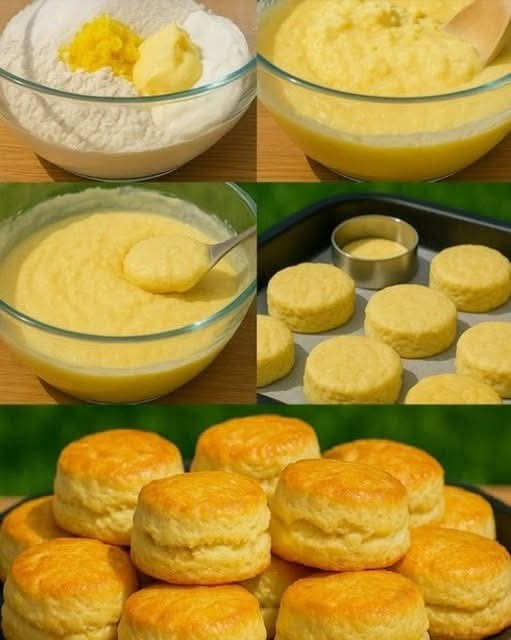
Here is a comprehensive, detailed recipe and guide for Amasi Scones (Egg-Free) , structured exactly as you have requested. This recipe is designed for high-volume production (perfect for a tea garden, stall, or catering), yielding incredibly soft, tall, and flavorful scones without the use of eggs.
The Ultimate Egg-Free Amasi Scones
Introduction
In the heart of South African baking, the scone—or “skons”—is more than just a pastry; it is a ritual. It represents the comfort of a mid-morning break, the warmth of hospitality, and the joy of simplicity. This particular recipe is a masterpiece of adaptation. It was born out of a practical need: to cater to clients with egg allergies or dietary preferences without sacrificing the rich, tender crumb that makes a scone irresistible.
By utilizing Amasi (a traditional fermented milk), this recipe achieves a subtle tanginess that activates the baking powder to create an exceptionally high rise. Replacing butter with Rama or Wooden Spoon margarine ensures a moist, flaky texture while keeping the dough easy to handle at scale. This is the recipe for the purist—soft, golden, and perfect for splitting open to receive a generous slather of jam and cream.
Ingredients
Makes approximately 40–50 medium-large scones
· 10 Cups All-purpose flour (plus extra for dusting)
· 1 Cup White sugar (caster sugar preferred)
· 10 Teaspoons Baking powder (ensure it is fresh for maximum rise)
· ½ Teaspoon Salt (to balance the sweetness and activate gluten structure)
· 500 grams Rama or Wooden Spoon margarine (cold, straight from the fridge)
· 2 Cups Amasi (full-cream, cold)
· 1 Cup Vanilla custard (optional, but recommended for extra richness and flavor depth)
· 1 Egg wash or milk (for glazing the tops)
Instructions & Methods
Method: The “Rubbing-In” Technique
- Preparatory Phase: Preheat your oven to 200°C (400°F) . Line heavy-duty baking trays with parchment paper. The high heat is crucial for the “oven spring” that gives scones their height.
- Dry Ingredients: In an extra-large mixing bowl, sift together the flour, baking powder, and salt. Stir in the sugar until evenly distributed.
- Incorporate the Fat: Add the cold margarine (Rama/Wooden Spoon) to the flour mixture. Using your fingertips, rub the fat into the flour until the mixture resembles fine breadcrumbs. Work quickly to keep the mixture cool; if the margarine melts, the scones will be dense. There should be no large lumps left.
- The Liquid Bind: Make a well in the center of the crumb mixture. Pour in the Amasi and the optional vanilla custard.
- Mixing: Using a butter knife or a flat-bladed spatula, use a cutting action to mix the dough. Do not overwork it. Mix just until the dough comes together in a rough, shaggy mass. Over-mixing develops gluten, which results in tough, hard scones.
- Shaping: Turn the dough onto a lightly floured surface. Gently bring it together with your hands. Pat the dough out to a thickness of 2 to 2.5 cm (approx. 1 inch) . Do not use a rolling pin; pressing by hand maintains a lighter texture.
- Cutting: Use a sharp, floured cutter (round or square). Push straight down; do not twist the cutter, as twisting “seals” the edges and prevents the scones from rising evenly.
- Glazing: Place the scones close together on the tray (touching slightly helps them rise taller). Brush the tops with milk or egg wash for a golden-brown crust.
- Baking: Bake for 12 to 15 minutes, or until the scones are tall, golden brown, and sound hollow when tapped on the bottom.
History
The scone is a quintessential part of British and Irish cuisine, originally made with oats and griddle-baked rather than oven-baked. When European settlers arrived in South Africa, they adapted their recipes to local ingredients. Amasi, a staple in Nguni culture for centuries, became a natural substitute for buttermilk. It provided the necessary acidity to activate baking powder (a relatively modern invention of the 19th century) without the need for yeast. This fusion of European baking techniques with indigenous African dairy resulted in the distinctly South African scone: denser in moisture, richer in flavor, and beloved across all cultural lines.
Benefits
- Egg-Free & Inclusive: This recipe caters to vegans (if using plant-based margarine) and those with egg allergies, making it a safe option for diverse client bases.
- Digestibility: The fermentation in Amasi breaks down lactose, making these scones easier to digest for individuals with mild lactose sensitivities compared to those made with fresh milk.
- Gut Health: Amasi is a probiotic food, containing beneficial bacteria that support gut health—a hidden benefit in a treat.
- Cost-Effective: Using margarine instead of butter and Amasi instead of imported buttermilk significantly reduces the cost per batch, maximizing profit margins for bakers.
Formation (The Science)
The “formation” of the perfect scone relies on chemical leavening. When Amasi (acidic) reacts with baking powder (alkaline and acid salts), carbon dioxide is released. The cold margarine creates layers of fat between the flour. When the high oven heat hits the dough, the water in the margarine turns to steam, pushing the layers apart (laminating) while the CO₂ expands the air pockets. Because we use no eggs, the custard powder (optional) adds extra starch, which gelatinizes during baking, providing additional structure and a velvety mouthfeel that mimics the tenderness usually provided by egg yolks.
Nutrition (Per Scone – Approximate)
Based on a batch yielding 45 scones.
· Calories: 210–240 kcal
· Protein: 4g
· Fat: 10g
· Carbohydrates: 28g
· Sugar: 6g
· Calcium: 8% RDA (due to Amasi)
Note: Nutritional value increases significantly depending on the addition of clotted cream, butter, or jam.
Who Loves These Scones?
· The “No-Egg” Client: Those with allergies or dietary restrictions feel included and safe.
· The Traditionalist: Lovers of classic high-tea fare who appreciate a scone that is soft on the inside with a crisp exterior.
· The Jam & Cream Connoisseur: The neutral, slightly tangy base of these scones acts as the perfect canvas for strawberry jam and whipped cream or clotted cream.
· Caterers: Because of the high yield, stable dough, and low ingredient cost, this is a favorite among caterers who need reliability and consistency.
Methods (Revisited: Variations & Service)
To expand on the method, this recipe is highly versatile:
· Sweet Variation: Add 1 cup of chocolate chips or dried cranberries to the dry ingredients before adding the wet ingredients.
· Savory Variation: Reduce sugar to 2 tablespoons. Add 1 cup of grated cheddar cheese, ½ cup of chives, and a pinch of paprika to the flour mixture. Use only Amasi (omit custard).
· Storage Method: Unbaked scones can be frozen on a tray, then stored in a bag. Bake directly from frozen, adding 3–5 minutes to the baking time. Baked scones are best served the same day but can be frozen and reheated in an oven to restore crispness.
Conclusion
This Egg-Free Amasi Scone recipe is a testament to the idea that dietary restrictions do not require a compromise on quality. By leveraging the natural chemistry of Amasi and the reliable fat content of Rama or Wooden Spoon margarine, we achieve a scone that is superior in texture to many traditional egg-based recipes. It is tall, proud, golden, and ready to be torn apart while still warm.
Lovers (Final Word)
The true lovers of this recipe are the clients who return daily, the families who request them for Sunday tea, and the bakers who appreciate a dough that is forgiving yet yields professional results. Whether you are serving them in a bustling coffee shop or a quiet home kitchen, these scones are loved because they are made with thoughtfulness—catering to needs without sacrificing the joy of a perfect bake.