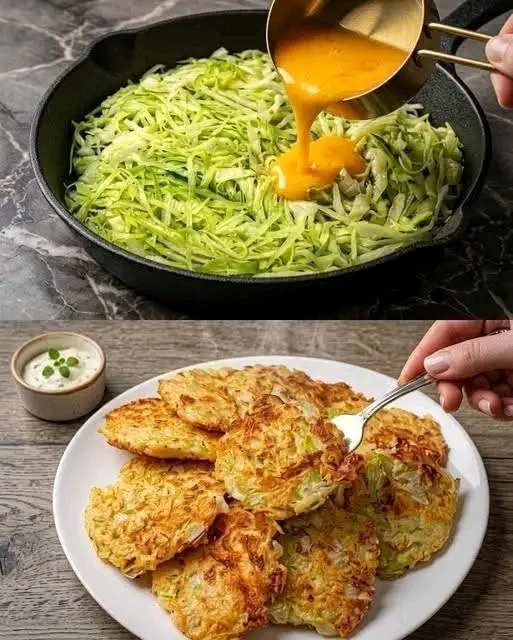
Cabbage and Eggs Breakfast Skillet
Introduction
Cabbage and eggs make a wonderfully simple, budget-friendly breakfast that is both satisfying and flavorful. With just a handful of everyday ingredients, you can turn humble cabbage into a warm, savory skillet meal with tender vegetables and fluffy eggs. It is quick enough for busy mornings and versatile enough to enjoy any time of day.
Origin
Cabbage-and-egg dishes appear in many home-cooking traditions around the world. Cabbage has long been valued as an affordable, nutritious vegetable, while eggs provide an easy source of protein. This version is inspired by simple skillet cooking, where vegetables are sautéed until tender and combined with eggs for a comforting meal.
Cultural Significance
Recipes like this are a reminder that delicious food does not need to be complicated or expensive. Cabbage is a staple in many cultures, particularly in home-style cooking where seasonal vegetables are transformed into filling meals. Combining cabbage with eggs creates the kind of practical breakfast that can easily become a family favorite.
Ingredients Quantity
Servings: 2
3 cups finely shredded green cabbage
3 large eggs
1 tablespoon olive oil or vegetable oil
½ small onion, finely chopped
1 clove garlic, minced
½ teaspoon salt, or to taste
¼ teaspoon black pepper
½ teaspoon paprika
2 tablespoons chopped fresh parsley
2 tablespoons water, if needed
Optional Additions
½ cup shredded cheese
Chopped bell pepper
Sliced tomatoes
Green onions
A pinch of chili flakes
Cooked turkey or chicken
Fresh cilantro instead of parsley
A squeeze of lemon juice before serving
Tips for Success
Slice the cabbage thinly: It will cook more quickly and evenly.
Don’t overcrowd the pan: A wide skillet helps the cabbage sauté rather than steam.
Cook the cabbage before adding the eggs: This develops a sweeter, more flavorful taste.
Don’t overcook the eggs: Remove the skillet from the heat when they are just set for a softer texture.
Adjust the seasoning: Cabbage has a mild flavor, so garlic, paprika, herbs, and black pepper can make a big difference.
Instructions
1. Heat the oil in a large skillet over medium heat.
2. Add the chopped onion and cook for 2–3 minutes until softened.
3. Stir in the garlic and cook for about 30 seconds.
4. Add the shredded cabbage, salt, black pepper, and paprika.
5. Cook for 5–8 minutes, stirring occasionally, until the cabbage becomes tender but still has a little texture. Add a tablespoon or two of water if it begins sticking.
6. In a bowl, whisk the eggs until well combined.
7. Make a small space in the center of the cabbage and pour in the eggs, or simply pour them over the cabbage.
8. Stir gently and cook for 2–4 minutes, until the eggs are cooked to your preferred consistency.
9. Sprinkle with fresh parsley and serve immediately.
Description
This cabbage and eggs skillet is warm, savory, tender, and surprisingly flavorful. The cabbage becomes slightly sweet as it cooks, while the eggs add richness and protein. Garlic, onion, paprika, and fresh herbs give this simple combination plenty of character.
Nutritional Information
Approximate per serving, without optional toppings:
Calories: 220–250
Protein: 11–13 g
Carbohydrates: 12–15 g
Fat: 14–16 g
Fiber: 4–5 g
Values will vary depending on the amount of oil and the specific ingredients used.
Conclusion
Cabbage and eggs prove that an easy breakfast can still be delicious, comforting, and satisfying. The recipe comes together quickly, uses inexpensive ingredients, and can easily be customized with whatever vegetables and seasonings you have available.
Recommendation
Serve this skillet hot with fresh herbs and a little black pepper. For a heartier breakfast, add a small amount of cheese or some cooked chicken or turkey. It also makes a convenient light lunch or dinner when paired with whole-grain toast or a fresh salad.
Embracing Healthful Indulgence
This recipe naturally combines a nutrient-rich vegetable with protein-packed eggs, making it a satisfying choice without relying on heavy sauces or added sugar. For an even lighter version, use a nonstick skillet and reduce the amount of oil. Adding extra cabbage, herbs, peppers, or tomatoes can increase the vegetable content while keeping the meal flavorful.